

HIPAA Compliant Website Builders for Doctors Practices & Dental Practices in US
PatientGain.com is HIPAA-compliant website builder for medical and dental practices. Website and marketing pricing starts at $899/mon. We provide our standard BAA, offering various services and apps designed to handle protected health information (PHI) securely. All of our staff receive regular training on security and HIPAA best practices. We use AWS HIPAA Compliant Platform. Our apps have role based access. All websites used for PLATINUM customers are also A/B tested for high conversion rates. Consent management app is also included to comply with all patient consents. PatientGain uses securely hosted HIPAA compliant website analytics so your PHI data is covered under the BAA – Note that standard Google analytics and TAG manager/Pixels are not HIPAA compliant.
HIPAA Compliant Website Builder: Table of Contents
Is HIPAA friendly website same as HIPAA Compliant Website?
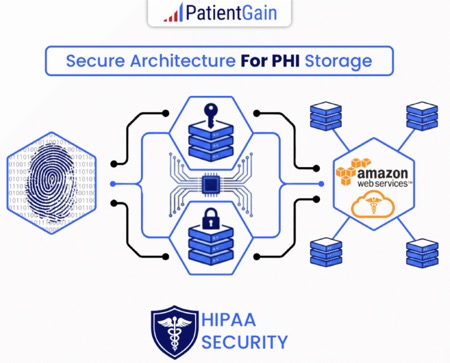
How does PatientGain implement HIPAA and secure architecture?
What is VaultDocSites from PatientGain?
How To Become HIPAA Compliant – Medical Websites for Doctors. Is My Website HIPAA Compliant?
Key Features and Functions of a HIPAA Compliant Website Builder
Benefits of Using a HIPAA Compliant Website Builder
Choosing a HIPAA Compliant Website Builder
Common Challenges and Considerations
Best Practices for TCPA Compliance
Results from HIPAA compliant website & conversion optimizations using PLATINUM Service
Can HIPAA Compliant Website Builders Use AI Agents?
Why does PatientGain uses HITL technology in its AI Agents?
What is RBAC?
Does PatientGain Implement RBAC?
Is PatientGain’s PLATINUM service HIPAA Compliant?
Is HIPAA friendly website same as HIPAA Compliant Website?
No, you cannot be “HIPAA Friendly” to protect PHI. You have to follow all the requirements to be HIPAA Compliant.
- CRM and Leads Funnel App: PatientGain’s Customer Relationship Manager (CRM) and software are designed to store patient information securely and in accordance with HIPAA guidelines, utilizing integrated security protocols and best data handling practices.
- Apps: PatientGain’s apps for healthcare clinics save PHI on secure servers that meet HIPAA guidelines, and they implement role-based access for all users.
- SSL/TLS certificate: In practice, a website that collects, stores, or transmits ePHI without an SSL/TLS certificate (and thus runs on unencrypted HTTP) would almost certainly be found to be in violation of HIPAA’s security standards.
- Business Associate Agreement (BAA): PatientGain provides standard BAAs for its customers, but customers who do not comply with HIPAA guidelines will not have BAA protection. Custom BAA is offered for those customers who are on our CUSTOM services. CUSTOM services are much more expensive than subscription based services, such as PLATINUM monthly service.
- Specific Services:
- Healthcare Marketing Websites: PatientGain offers HIPAA-compliant websites for healthcare practices. No patient information is stored in website database tables. All PHI is stored in secure servers located on AWS HIPAA Compliant Servers.
- Patient Forms: PatientGain provides HIPAA-compliant web forms for doctors and dentists.
- Digital Marketing: PatientGain offers HIPAA-compliant digital marketing services.
- Patient Consent Management Platform: The HIPAA Consent Management App (CMA) from PatientGain is a specialized, HIPAA-compliant digital tool designed for healthcare practice websites to capture, track, and manage patient consent for the collection and sharing of Protected Health Information (PHI).
- It acts as a “gatekeeper” on the website, ensuring that any patient interaction—such as filling out contact forms, booking appointments, or engaging in live chat—is accompanied by explicit, legally required opt-ins before sensitive data is processed or transmitted.
- WordPress Hosting: offers comprehensive, HIPAA-compliant WordPress hosting specifically designed for healthcare practices. Their services include secure, encrypted hosting on AWS and Google Cloud Platform, along with a signed Business Associate Agreement (BAA) to ensure compliance with HIPAA regulations.
- Apps on AWS: PatientGain apps are hosted and run on Amazon Web Services (AWS).
- Patient AI Auto Respond Apps for Healthcare Websites: Patient AI auto-responder apps for healthcare websites are HIPAA-compliant digital tools that provide instant, automated replies to patient inquiries 24/7. These apps typically leverage AI and natural language processing (NLP) to engage patients, answer routine questions, qualify patient needs, and facilitate appointment scheduling, acting as a “virtual front desk” to improve patient engagement and reduce administrative burdens
- Marketing Automation: PatientGain is a medical and dental marketing automation platform based on AI agents, apps and services. AI agents are used however a human checks the results.
How does PatientGain implement HIPAA and secure architecture?
A BAA-backed, SOC 2 Type II certified platform that allows healthcare practices to run performance marketing (Google Ads, Meta, analytics) by scrubbing and obfuscating protected health information (PHI) before it hits non-compliant tools. Read more about how HIPAA and Secure architecture is implemented here. While Silicon Valley, California is home for PatientGain.com headquarters, the company employs a diverse and talented team across the USA, Canada and Asia. Our main office is located in heart of Silicon Valley, Los Altos, California. Our servers and data centers are HIPAA compliant and are handled by Amazon HIPAA Compliance. We also use very high speed hosting from Google Cloud Platform for fast loading websites. You can read more here: https://aws.amazon.com/compliance/hipaa-compliance
PatientGain works with AWS and WordPress to maintain HIPAA compliance for healthcare websites and applications by implementing various security measures and adherence to HIPAA requirements
1. Leveraging AWS for Secure Hosting and Applications:
- AWS Infrastructure: PatientGain utilizes Amazon Web Services (AWS) as their hosting provider, ensuring their servers adhere to HIPAA and HITECH laws. AWS provides a secure cloud computing environment designed to meet the stringent requirements of healthcare data security.
- Secure Apps: PatientGain’s apps, including their CRM and other patient engagement tools, are hosted and run on AWS, ensuring that Protected Health Information (PHI) is stored securely and in accordance with HIPAA guidelines.
2. Ensuring HIPAA Compliance within WordPress:
- No PHI Stored in Website Database: PatientGain ensures that no patient information is stored in the WordPress website database tables themselves, minimizing risk associated with the core WordPress platform. This is crucial because standard WordPress itself is not inherently HIPAA compliant.
- Secure Forms and Data Handling: They offer HIPAA-compliant web forms and use best data handling practices to maintain HIPAA compliance, employing integrated security protocols. Actual data is never stored in WordPress. It is stored in AWS secure servers. We also use Google cloud HIPAA storage also ( for redundancy )
- Access Controls: PatientGain implements role-based access for all users, restricting access to PHI based on their job functions. This ensures only authorized personnel can access sensitive information. All staff members are back ground checked.
- Business Associate Agreement (BAA): PatientGain provides standard BAAs for its customers, which are essential legal documents outlining responsibilities for protecting PHI when working with third-party vendors.
3. Internal Compliance Measures:
- Staff Training: PatientGain provides regular training to its staff on security and protecting patient information, which is a key component of HIPAA compliance.
- Security Log Reviews and Audits: PatientGain reviews security logs and implements other administrative safeguards to monitor and protect against unauthorized access. They also perform regular self-audits and remediation plans to address risks and vulnerabilities.
In summary, PatientGain combines the secure infrastructure of AWS with specific configurations and best practices applied to WordPress to create a HIPAA-compliant environment for its healthcare clients. They achieve this by carefully managing where PHI is stored and ensuring strong security measures are in place at all levels.
In summary, PatientGain implements a multi-layered approach to ensure HIPAA compliance for its healthcare websites and applications. This involves utilizing AWS for secure infrastructure, implementing specific security measures within their WordPress platform, and conducting regular internal audits and staff training. There is zero PHI in WordPress websites and databases.
Do I need to use HIPAA compliant website analytics for my healthcare practice website?
Yes, you generally need to use HIPAA-compliant website analytics or a compliant tracking framework if your website handles patient interactions, because standard analytics tools (like default Google Analytics 4) capture data that the federal government classifies as Protected Health Information (PHI). Under the U.S. Department of Health and Human Services (HHS) and Office for Civil Rights (OCR) guidance, tracking technologies cannot be used if they expose both an individual’s identifier (like an IP address or cookie) and health-related data to a non-compliant vendor. Standard companies like Google (GA4, TAG manager), Meta (pixels) explicitly state in their documentation that they are not HIPAA-compliant and will not sign a Business Associate Agreement (BAA) for standard analytics services.
Question: Can I use PatientGain’s service for HIPAA compliant website analytics?
Yes, you can absolutely use PatientGain’s service to make your website analytics HIPAA-compliant. They are a dedicated healthcare marketing platform that explicitly signs a Business Associate Agreement (BAA), which legally covers the data they collect from your website.
Overview of PatientGain’s Analytics Solutions
Depending on your practice’s budget and how your website is currently set up, PatientGain offers three main pathways to compliance:
- Stand-Alone Secure Analytics ($199–$299/month): If you want to keep your existing website exactly as it is, you can add PatientGain’s standalone tracking script. It hosts your website data securely on cloud infrastructure (AWS/Google Cloud) optimized for HIPAA compliance, giving you a secure dashboard to view your SEO, ads, and lead metrics.
- Data Obfuscation Proxy: If your marketing team strongly prefers to keep using Google Analytics 4 (GA4), PatientGain provides server-side data-masking. Their system captures the user behavior, automatically strips or encrypts sensitive identifiers (like IP addresses or specific form inputs), and forwards the anonymized, “safe” data to Google.
- All-In-One Platform (GOLD/PLATINUM Tier): If you use their full marketing suite, the HIPAA-compliant analytics are bundled into the service at no extra charge. This replaces your non-compliant third-party tools for online scheduling, patient intake forms, and chat features into one secure ecosystem covered under a single BAA.
The Advantages and Trade-Offs – Before committing, consider how their structure matches your technical needs:
- The Pros: It is a “Done-For-You” service, meaning PatientGain handles the configuration, implementation, and dashboard setup. You do not need an in-house software developer to build a proxy server or manage complex software licenses. Most practices can go live in about a week.
- The Cons: Unlike standard consumer platforms, this requires a recurring monthly subscription fee. Additionally, if you use their standalone dashboard instead of the GA4 proxy, your marketing team will need to adapt to a new user interface.
How to Evaluate It For Your Practice – From the perspective of a practice manager who wants zero developer headaches, the right platform depends entirely on whether you want to completely ditch Google Analytics or fight to keep it. When you do not want to manage technical code or deal with complex developers, your options look drastically different in terms of cost, setup time, and daily effort.
Summary for Practice Managers Who want to focus on Patient Care
| Approach | Developer Involvement | Who Manages It? | Business Setup | Approximate Cost |
|---|---|---|---|---|
| PatientGain | None (Done-For-You) | PatientGain Team | Included (Signs BAA) | $199 – $299/mo |
| Freshpaint | Heavy (Initial setup) | Internal IT / Agency | Included (Signs BAA) | $18k – $25k+/yr |
| Matomo (Cloud) | Low (Basic script install) | Practice Manager / Agency | Included (On Cloud tier) | $30 – $100+/mo |
| DIY (Self-Hosted) | Nightmare (Ongoing dev) | A software engineer | Your Liability | Server costs only |
What is VaultDocSites from PatientGain?
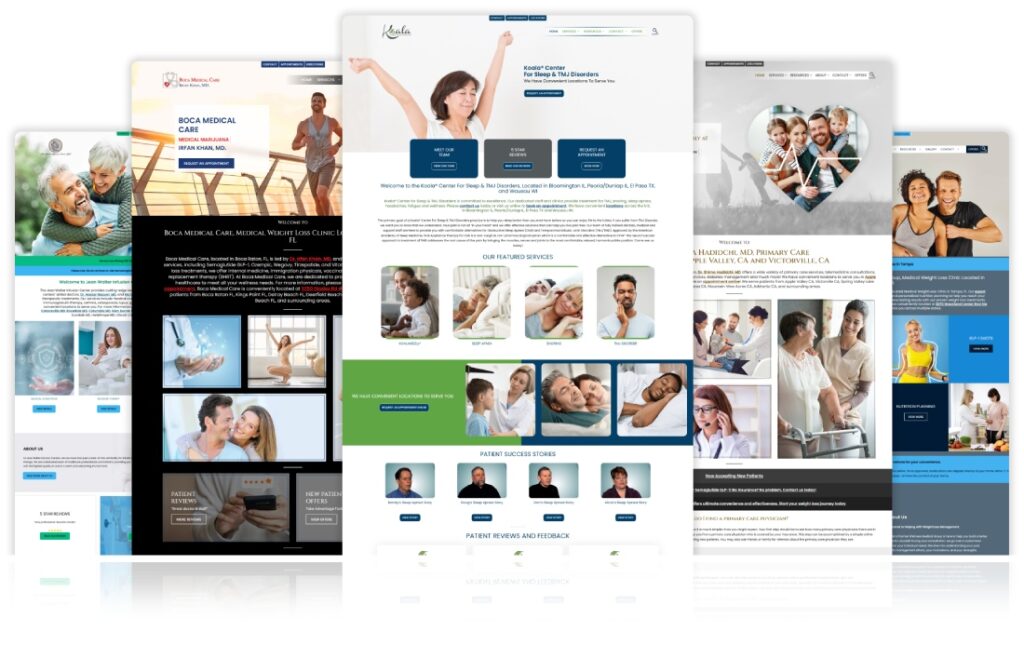
VaultDocSites™ is a proprietary, fully managed (Done-For-You) service by PatientGain designed to solve two critical operational challenges for medical and dental practices: eliminating data privacy legal risks and optimizing local patient acquisition.
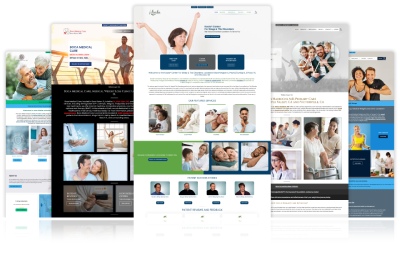
VaultDocSites™ are AI based but supervised by humans (HITL) proprietary model for secure healthcare practice websites (For doctors and dentists), engineered specifically to blend high-conversion digital marketing with strict HIPAA compliance, ADA adherence and security. These practice websites are specifically built for healthcare practices so they have 3 main objectives 1) Provide HIPAA compliance with a comprehensive BAA 2) Provide high-performance conversion rates and local SEO 3) Provide a HIPAA Compliant dashboard to your front desk so that they easily manage all inquiries and easily respond to them by SMS/Texting and Emails, with full audit-trails, per HIPAA.
How To Become HIPAA Compliant – Medical Websites for Doctors. Is My Website HIPAA Compliant?
As a medical provider or a healthcare office manager, or an administrator, you have several options.
1) Using many tools and apps available, you can embark on the trial and error journey to build your own medical, dental, healthcare focused HIPAA compliant website. Pros : 1) Personal satisfaction 2) Low cost Cons : 1) Wasted time, effort 2) Results are likely to be sub-optimal 3) May not be HIPAA compliant
2) Hire a freelancer to provide basic components of a nice looking medical, dental, healthcare website. Next you will need to worry about HIPAA compliance, or lack thereof. Pros : 1) Low cost Cons : 1) Incomplete medical marketing strategy 2) Results are likely to be sub-optimal 3) May not be HIPAA compliant
3) Hire a professional medical marketing company. These companies are professionals and they only focus on medical, dental, healthcare websites. Once the website is completed, you will need to make sure that BAA is issued and HIPAA compliance is covered. You will still need additional apps to complete your marketing strategy. Pros : 1) Website will look professional 2) will probably will have SEO 3) will probably will have excellent conversion 4) Support is provided when need it the most Cons : 1) Cost is usually $3500 to $6000 for setup of a professional healthcare website 2) Monthly maintenance and support is extra cost 3) Apps are not included 4) Conversion tracking software are not included, like CRM 5) May not be HIPAA compliant. 6) May not be A/B tested 7) Social media, Email marketing, SMS/Texting is usually extra cost.
4) Use PatientGain’s GOLD or PLATINUM monthly service. There are no upfront costs. Gold service is fully integrated new patient marketing solution with google SEO optimized website. Costs $799/mon – $1399/mon with superior customer happiness. Used by hundreds of dental and medical practices in usa & canada. Conversion & SEO focused A/B tested website, quality content, your custom branding, apps, social media, email marketing, texting/sms, awesome customer service, hipaa compliant crm & modern features included in the gold service. Medical marketing apps and algorithms from PatientGain leverage machine learning, data mining and artificial intelligence to score conversion rates of your leads. This enables us to add useful, valuable content to your medical website.
A HIPAA-compliant website builder for healthcare ensures that your website adheres to the stringent privacy and security requirements set forth by the Health Insurance Portability and Accountability Act (HIPAA). These website builders are specifically designed to protect sensitive patient information and facilitate secure online interactions between healthcare providers and patients. Here’s an overview of what a HIPAA-compliant website builder does:
Key Features and Functions of a HIPAA Compliant Website Builder
- Data Encryption:
- Protects patient information by encrypting data both at rest and in transit, ensuring that sensitive information is secure.
- Secure Sockets Layer (SSL):
- Ensures secure communication between the website and visitors, protecting data from being intercepted by unauthorized parties.
- Access Controls:
- Limits access to patient data to authorized personnel only, employing multi-factor authentication and role-based access controls to safeguard information.
- Audit Trails:
- Tracks user activity on the website to identify potential security breaches and maintain detailed logs of all activities for compliance monitoring.
- Business Associate Agreements (BAAs):
- Provides legal protection for healthcare providers by requiring website builders to sign BAAs, ensuring they adhere to HIPAA regulations.
- HIPAA-Compliant Apps & Forms:
- Offers secure forms for collecting patient information, such as appointment requests, medical history, and intake forms, ensuring the data is encrypted and protected.
- Patient Portals:
- Enables secure patient access to their health records, appointment information, and communication with healthcare providers through an integrated patient portal.
- Compliance Support:
- Provides resources and guidance to help healthcare providers maintain HIPAA compliance, including regular security audits and updates.
- Secure Hosting:
- Provides secure hosting environments with advanced firewalls, intrusion detection systems, and regular security audits to protect patient data.
- Data Storage and Backup:
- Ensures that patient data is stored securely and backed up regularly to prevent data loss and facilitate recovery in case of a breach or technical failure.
- Third-Party Integrations:
- Supports integration with third-party applications, such as electronic health records (EHR) systems, telehealth platforms, and payment gateways, while ensuring that these integrations are HIPAA-compliant.
Benefits of Using a HIPAA Compliant Website Builder
- Protect Patient Privacy:
- Safeguards sensitive patient information from unauthorized access and breaches.
- Maintain Compliance:
- Ensures that your website meets all HIPAA requirements, reducing the risk of non-compliance penalties and legal issues.
- Enhance Patient Experience:
- Offers secure online services such as appointment scheduling, patient portals, and secure communication channels, improving patient satisfaction and engagement.
- Build Trust:
- Demonstrates a commitment to patient privacy and security, building trust with patients by ensuring their information is protected.
Choosing a HIPAA Compliant Website Builder
When selecting a HIPAA-compliant website builder for your healthcare practice, consider the following factors:
- Security Features:
- Ensure the builder offers robust security features, including encryption, secure hosting, SSL, and access controls.
- Compliance Support:
- Look for builders that provide support for HIPAA compliance, including BAAs, audit trails, and regular security audits.
- Ease of Use:
- Choose a builder with an intuitive content management system (CMS) that allows you to manage website content easily.
- Integration Capabilities:
- Ensure the builder supports integration with your existing systems, such as EHR and telehealth platforms.
- Customer Support:
- Opt for a provider that offers reliable customer support to assist with any technical or compliance issues.
Pricing and What is Included
HIPAA-compliant website builders in the USA typically offer partial and simple HIPAA compliant forms to full scale interactive an intelligent custom HIPAA compliant websites. The pricing ranges from from $99 to $2000 per month for standard medical practice sites. Pricing varies significantly based on whether you use a DIY builder with a Business Associate Agreement (BAA), a specialized healthcare platform, or a fully custom agency solution.
- Entry level DIY:
- Entry-Level DIY Builders ($99–$175/mo):
Weebly (by Square): Starts at $99/month plus a one-time $299 BAA setup fee.
- Entry-Level DIY Builders ($99–$175/mo):
- Mid-Tier:
- Mid-Tier ($200–$500/mo.)
- Wix Enterprise: Typically costs $200 to $300/month to unlock HIPAA compliance features and a BAA.
Squarespace Enterprise: Starts at approximately $200/month for select healthcare business options.
Brighter Vision
- Healthcare Specialist Companies:
- PatientGain: Focused on growth-ready medical practices, starting at $500/month.
Enterprise & Custom Hosting ($500–$3,000+/mo):
Managed HIPAA Hosting: Providers like Liquid Web or Atlantic.Net start around $225 to $350/month for dedicated, compliant server environments.
Enterprise E-commerce: Platforms like BigCommerce for large medical stores start at $3,000+/month.
- PatientGain: Focused on growth-ready medical practices, starting at $500/month.
- One-Time Build Costs:
- If you hire a professional to design and build your site rather than doing it yourself:
Freelance Build: Typically ranges from $2,500 to $3,000 for a standard healthcare site. However you must double check every deliverable. HIPAA is not an area where you can take chances.
Agency Custom Build: SIngle clinic sites often cost between $5,000 and $10,000, Mid size – multi-location For example 5 location will cost $8,000 to $15,000 while hospital-grade sites can exceed $50,000.
- If you hire a professional to design and build your site rather than doing it yourself:
- HIPAA compliance of Facebook IG, Meta Pixels:
- Facebook, IG, Meta Pixels is not HIPAA compliant.
- There is no BAA issued by Facebook, IG, Meta Pixels.
- You will need a solution from FreshPaint or PatientGain for data obfustcation.
- Ongoing “Hidden” Costs:
- BAA Setup Fees: Some providers charge a one-time fee (e.g., $299) to execute the required legal paperwork.
HIPAA Forms & Scheduling: If your builder isn’t natively compliant, you may need add-ons like Jotform HIPAA (starting at ~$99/mo) or Acuity Scheduling (HIPAA-ready at ~$49/mo).
Security Maintenance: Expect to pay $50 to $300/month for ongoing monitoring, backups, and log retention.
- BAA Setup Fees: Some providers charge a one-time fee (e.g., $299) to execute the required legal paperwork.
Common Challenges and Considerations
- Defining Healthcare-Related:
- Determining what constitutes a healthcare-related message can be complex.
- Patient Consent:
- While not required for healthcare-related communications, obtaining explicit consent for marketing or non-treatment-related messages is essential.
- Automated Systems:
- Using autodialers or prerecorded messages for healthcare-related calls might still require specific exemptions or consent.
- Text Messaging:
- While convenient, text messaging can pose challenges related to message length, content, and documentation.
- HIPAA compliance of Facebook IG, Meta Pixels:
- Facebook, IG, Meta Pixels is not HIPAA compliant.
- There is no BAA issued by Facebook, IG, Meta Pixels.
- HIPAA compliance of Google Analytics:
- According to Google, customers must refrain from using Google Analytics in any way that may create obligations under HIPAA for Google. HIPAA-regulated entities using Google Analytics must refrain from exposing to Google any data that may be considered Protected Health Information (PHI), even if not expressly described as PII in Google’s contracts and policies. Google makes no representations that Google Analytics satisfies HIPAA requirements and does not offer Business Associate Agreements in connection with this service.
Best Practices for TCPA Compliance
- Develop Clear Communication Policies:
- Define what constitutes healthcare-related communication and establish guidelines for patient interactions.
- Document Consent:
- Even for healthcare-related communications, consider documenting patient consent to build a stronger compliance posture.
- Train Staff:
- Ensure employees understand TCPA and HIPAA regulations to avoid violations.
- Monitor and Review:
- Regularly review communication practices to identify potential risks and areas for improvement.
Results from HIPAA compliant website & conversion optimizations using PLATINUM Service
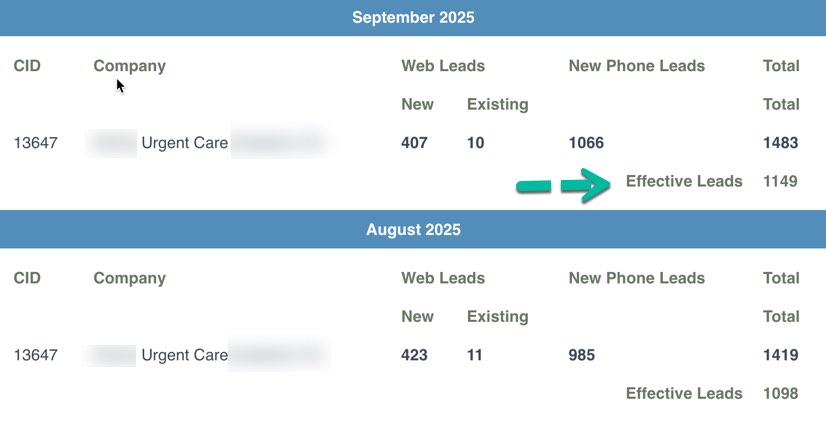
Based on the marketing performance dashboard, in the month of September, there are 1149 effective leads. These new patient leads are from the PLATINUM service based HIPAA compliant website. This website is heavily optimized for SEO and conversions.
Can HIPAA Compliant Website Builders Use AI Agents?
Yes, HIPAA-compliant website builders can use AI agents, but compliance is not an automatic feature of the technology. For a website builder to deploy an AI agent (such as an automated intake chatbot or an appointment scheduling assistant) while handling Protected Health Information (PHI), the entire system architecture must adhere to strict legal, contractual, and technical safeguards. Platforms like Blaze, PatientGain.com and enterprise app builders like Knack offer HIPAA-compliant AI building environments designed to meet these exact regulations.
Mandatory Requirements for AI Agents
To legally process patient data through an AI agent on a website builder, the following framework must be strictly implemented:
- Signed Business Associate Agreement (BAA): The website builder and any underlying AI model providers (like enterprise OpenAI or Anthropic APIs) must sign a BAA. Consumer tools like standard ChatGPT or Claude lack this and violate federal compliance.
- Zero Data Retention for Training: The underlying large language model (LLM) must have zero-retention policies. Patient prompts and interactions cannot be stored to train future public or private models.
- Immutable Audit Logging: The website builder must automatically maintain tamper-proof logs tracking every single action the AI agent takes, what PHI it accesses, and the specific timestamp.
- Data Minimization & RBAC: Systems must automatically enforce Role-Based Access Control. For example, a scheduling agent should only see calendar availability, never a patient’s full clinical diagnosis.
- End-to-End Encryption: All data transmitted through the web interface to the AI agent must be encrypted “in transit” (via TLS) and “at rest” within secure storage.
Why does PatientGain uses HITL technology in its AI Agents?
PatientGain uses Human-In-The-Loop (HITL) technology in its AI Agents to prevent errors, ensure regulatory compliance, and maintain a trustworthy patient experience.
Specifically, they use HITL in their AI Healthcare Marketing to achieve the following:
- Prevent AI Hallucinations: Prevents software from delivering incorrect clinical guidance or accidentally providing false information to patients.
- Protect Compliance & Privacy: Ensures strict adherence to medical advertising guidelines and prevents unauthorized handling of sensitive Protected Health Information (PHI) without human-led, HIPAA-secure workflows.
- Protect the Patient-Provider Relationship: Healthcare interactions require empathy and contextual nuance. Human oversight ensures responses maintain the specific, warm tone of the medical practice, fostering genuine trust.
- Reduce Staff Burnout: The AI can automate up to 80% of tedious, repetitive structural work (like drafting messages or filtering leads), leaving clinic staff to finalize only the 20% that requires human judgment.
- PatientGain’s AI agents (apps) are all tested first with a small set of clinics. As they prove their value as HITL apps, then they are offered to other practices. So it is a controlled process.
What is RBAC?
Role-Based Access Control (RBAC) is a security method that restricts system access to authorized users based on their specific job roles within an organization. Instead of assigning individual permissions to every employee, you create roles (like “Nurse” or “Billing Clerk”) with pre-set permissions and then assign users to those roles.
Does PatientGain Implement RBAC?
Yes, PatientGain implements Role-Based Access Control (RBAC) across its entire platform, including its HIPAA-compliant CRM and patient engagement apps. This system is designed to ensure that staff members only see the information required for their specific job functions, directly supporting the HIPAA “Minimum Necessary” standard.
How PatientGain Uses RBAC
PatientGain’s RBAC implementation provides granular control over user permissions:
- Job-Specific Access: You can assign predefined roles like Administrator or Operator to different staff members.
- App-Level Restrictions: An “Operator” might be restricted to only viewing the Appointments app, preventing them from seeing broader marketing or financial data.
- Data Obfuscation: In addition to RBAC, PatientGain uses an obfuscation layer to mask patient data from unauthorized users, providing an extra level of security beyond standard encryption.
- Audit Logging: The system automatically logs every instance of data access, allowing you to track which user viewed or modified specific patient records.
What happens after a HIPAA compliant website builder finishes with the website build process?
The hard work starts after a website is build and and you have gone live. Building the SEO of a healthcare website is a very difficult task. Healthcare SEO is highly difficult because Google categorizes medical websites under the strict framework of “Your Money or Your Life” (YMYL). Because inaccurate healthcare information can directly harm a person’s physical or financial well-being, search engines apply much higher quality standards to medical sites than to standard blogs or e-commerce stores.
Why Healthcare SEO is Uniquely Challenging
- The E-E-A-T Standard: Google heavily weighs Experience, Expertise, Authoritativeness, and Trustworthiness. Your content must be written, reviewed, or heavily cited by certified medical professionals to rank well.
- Strict HIPAA Constraints: You cannot use patient reviews, case studies, or tracking pixels in your SEO strategy without explicit, compliant authorization. Mentioning specific patient details on your site can result in severe legal penalties.
- Information Accuracy: Search engine algorithms actively demote medical content that contains misleading, unproven, or unscientific health claims.
- Intense Local Competition: Ranking for local search terms (like “pediatrician near me”) requires managing complex local citations, Google Business Profiles, and highly localized keyword targeting.
Core Pillars of a Medical SEO Strategy
To succeed despite the difficulty, your healthcare SEO strategy must focus on three core areas:
| SEO Pillar | Strategy Focus | High-Quality Sourcing Example |
|---|---|---|
| Content Quality | Publish peer-reviewed, medically vetted articles with clear author bios. | Cite authoritative medical data from the National Institutes of Health (NIH) to back up clinical claims. |
| Technical & Security | Secure the site with HTTPS, optimize page speed, and ensure strict mobile responsiveness. | Use the Google PageSpeed Insights tool to audit and improve your site’s mobile loading performance. |
| Local Optimization | Optimize your Google Business Profile with exact operational hours, locations, and services. | Map out physical locations cleanly using the Google Maps Platform for multiple clinic branches. |
How does PatientGain builds the SEO of healthcare practice websites?
PatientGain builds healthcare SEO by utilizing a hybrid marketing model that combines a proprietary “Reverse Search Engine” AI algorithm with medical-specific compliance standards. Instead of treating medical practices like standard businesses, PatientGain automates and builds its search strategies specifically around healthcare intent, local patient behavior, and regulatory frameworks.
1. Proprietary “Reverse Search Engine Optimization”
Traditional SEO focuses broadly on high-volume industry keywords. PatientGain’s AI engine reverses this process:
- Symptom & Treatment Tracking: The AI tracks actual real-world search behaviors of how patients phrase queries when they are sick or searching for care (e.g., “best acne treatment” or “where can I get an STD test on weekends”), rather than searching for a specific clinic name.
- Intent-Based Mapping: The platform uses this data to map patient queries directly into structured service pages, ensuring the practice ranks for high-conversion keywords.
2. Service Pages Over Standard Blogs
While generic marketing agencies focus heavily on continuous blog posting, PatientGain prioritizes high-intent Service Pages.
- Conversion Engineering: They build comprehensive, non-plagiarized medical condition and treatment pages designed to answer specific patient concerns.
- E-E-A-T and YMYL Alignment: Content is built to satisfy Google’s strict quality metrics by directly showcasing medical credentials, structural citations, and ethical guidelines.
3. Deep Local SEO Dominance
Because physical clinics rely almost entirely on regional patients, local indexing is a core pillar.
- Google Business Profile (GBP) Management: PatientGain continuously optimizes and posts 20 times per month to 30 times per mont (depending on your package) and manage GBP listings to place practices directly into Google’s “Local 3-Pack” map results.
- Location-Specific Landing Pages: For multi-location practices, PatientGain builds dedicated geo-targeted pages (e.g., “Primary Care in [City Name]”) using custom schema markup to separate regional search intents.
4. AEO & Voice Search Optimization
With the rise of voice assistants and AI-driven answers, PatientGain optimizes for Answer Engine Optimization (AEO).
- Structured Q&A Content: They format website data into structured fragments, direct headers, and specific Schema code. This pushes the website into Google Featured Snippets, Answer Boxes, and voice search results on mobile devices.
5. Built-in HIPAA Compliance & Technical Infrastructure
SEO cannot succeed if the platform fails technical audits. PatientGain’s platform combines marketing with healthcare guardrails:
- Page Speed & Accessibility: Websites are designed on an optimized mobile framework to guarantee fast loading speeds, a primary signal for Google’s indexing.
- Safe Lead Capture: All form completions, chatbot interactions, and multi-channel inquiries driving from SEO traffic are instantly funneled into a fully secured, HIPAA-compliant CRM platform.
Is PatientGain’s PLATINUM service HIPAA Compliant?
Yes, PatientGain’s PLATINUM service is HIPAA compliant. The company provides an all-in-one, managed medical marketing and patient engagement platform built specifically to adhere to federal healthcare privacy standards. PLATINUM service is actually a Done-For-You (DFY) healthcare marketing service.
Key Privacy & Compliance Safeguards
The platform secures Protected Health Information (PHI) through several built-in contractual and operational measures:
- Business Associate Agreement (BAA): PatientGain signs a standard Business Associate Agreement with its clients, legally obligating them to protect your practice’s patient data according to regulatory requirements.
- Data Encryption: All Electronic PHI (ePHI) collected through the platform is securely encrypted both “at rest” and “in transit” via HTTPS/SSL protocols.
- Secure Cloud Hosting: PatientGain hosts its PLATINUM infrastructure on secure Google Cloud Platform (GCP) servers, ensuring automated backups and isolated storage rather than relying on vulnerable, standard website database setups.
- Access Controls: The system enforces role-based user access, houses detailed audit logs to track data access, and maintains strict login restrictions from locations outside the United States.
HIPAA-Compliant Features Included in PLATINUM
The PatientGain PLATINUM Service integrates security directly into everyday marketing tools to prevent compliance gaps or data leakage:
- Secure Web Forms: Digital intake and appointment request forms securely capture and route patient data.
- Patient Communication: The system features secure, 2-way texting apps and intelligent AI chatbots designed to handle patient inquiries safely.
- Integrated CRM: Leads and communications are centralized in a secure dashboard, allowing for automated consent management and patient follow-ups.
- AI-Powered Marketing Agents: All automated AI content tools feature human-in-the-loop (HITL) review workflows to ensure messaging maintains strict regulatory and accurate tones before going live.
Conclusion
A HIPAA-compliant website builder is essential for healthcare providers looking to create a secure, user-friendly, and compliant online presence. By leveraging these specialized tools, medical practices can protect patient information, ensure compliance with HIPAA regulations, and improve overall patient engagement and satisfaction. Utilizing a HIPAA-compliant website builder helps healthcare providers avoid costly penalties, enhance the patient experience, and build trust by demonstrating a commitment to patient privacy and security.
PatientGain.com customers can request a Business Associate Agreement (BAA) before using PatientGain.com services that handle PHI. PatientGain.com offers a BAA covering selected PatientGain.com apps. Our customers are responsible for determining whether they are subject to HIPAA requirements and whether they use or intend to use PatientGain.com Apps in connection with their PHI. Customers who have not entered into a BAA with PatientGain.com must NOT use PatientGain.com services in connection with PHI. Details of HIPAA rules and safeguards can be found here. http://www.hhs.gov/ocr/privacy/
PatientGain.com websites and data stores run on secure high performance servers located in the USA. All PHI information is stored in compliance with HIPAA guidelines. Contact us for more details.
If you have a medical website and potential patients or existing patients communicate with you using the website to call you, send Emails or send forms, you are likely receiving patient information that may include PHI.
If you have been audited for a HIPAA violation, you may be asked to provide a Business Associate Agreements (BAA) from all vendors, including your website provider, who may have transported, viewed, stored, or handled PHI. As a clinic business owner it is your responsibility to address BAA requirements from all providers of services to your medical practice.
PatientGain.com provides BAA for its customers. In order to understand what is covered, let’s review four major areas of HIPAA regulations and some definitions.
What is a Covered Entity: In HIPAA legal language, a Covered Entity is the medical practice providing services to patients. This would mean your clinic or medical facility.
What is a Business Associate: A Business Associate is a service provider or vendor that provides services, technology, websites, software, etc. to the Covered Entity.
What is a Business Associate Agreement (BAA): A BAA is a legal document provided to your clinic, that states in detail that the Business Associate has taken necessary steps, in accordance with HIPAA regulations, to provide security and other measures to protect PHI.
It is important to note that Covered Entities and their Business Associates need to protect the privacy and security of Protected Health Information (PHI). But, it gets more complicated when you start to put together a to-do list. Covered entities are required to apply the appropriate administrative, technical, and physical safeguards to protect the privacy of protected health information. This applies to all forms of protected health information. As such, covered entities are not permitted to abandon PHI or dispose of such information so that it would be accessible to the public or unauthorized individuals. Covered Entities are required to train their workforce on the proper disposal of PHI. It is important to note that under federal standards, the “workforce” includes volunteers. Covered entities should also determine what steps are required to dispose of Protected Health Information while complying with HIPAA Privacy and Security Rules.
There are four key rules:
1. HIPAA Privacy Rule
2. HIPAA Security Rule
3. HIPAA Enforcement Rule
4. HIPAA Breach Notification Rule
As far as action items are concerned, you need to follow the HIPAA Privacy Rule and the HIPAA Security Rule. You also need to provide notification following a breach of unsecured protected health information according to the Breach Notification Rule. This article is not a definitive list of what is required for HIPAA compliance, you should assign a Privacy Officer to review each rule in its entirety. This article is intended to point you in the right direction. PatientGain.com will provide BAA for your clinic, if requested.
PatientGain.com apps for healthcare clinics save the PHI information in secure servers that meet HIPAA guidelines.
 Send Text
 How may I help you?