You cannot copy content of this website, your IP is being recorded.
High Value Traffic For Healthcare Websites
How to get high value traffic for medical and dental websites?
To get high-value, patient-intent traffic for medical and dental websites, focus on local SEO (Google Business Profile, local keywords), high-quality, patient-centric content (treating conditions, FAQs), and building EEAT score. Specifically having detailed bio pages of providers, and there should be multiple, detailed pages about your services. Add useful infographics. Use references to reputable healthcare articles. For example if you want to get more patients for a pain clinic, you will need focus each service. Key strategies include optimizing for mobile, using specific long-tail keywords, and maintaining a high reputation through online reviews.
For for medical and dental websites, is all the traffic the traffic the same?
For a healthcare practice website, all website traffic is absolutely not the same. In the competitive healthcare landscape, high-value traffic is defined by user intent—specifically, patients searching for services, booking appointments, or seeking local care. While vanity metrics like “total visits” might look good on a report, they often include irrelevant traffic (e.g., people looking for jobs, medical students researching, or bots), which does not lead to revenue.
High-Value vs. Low-Value TrafficFor Medical and Dental Practices
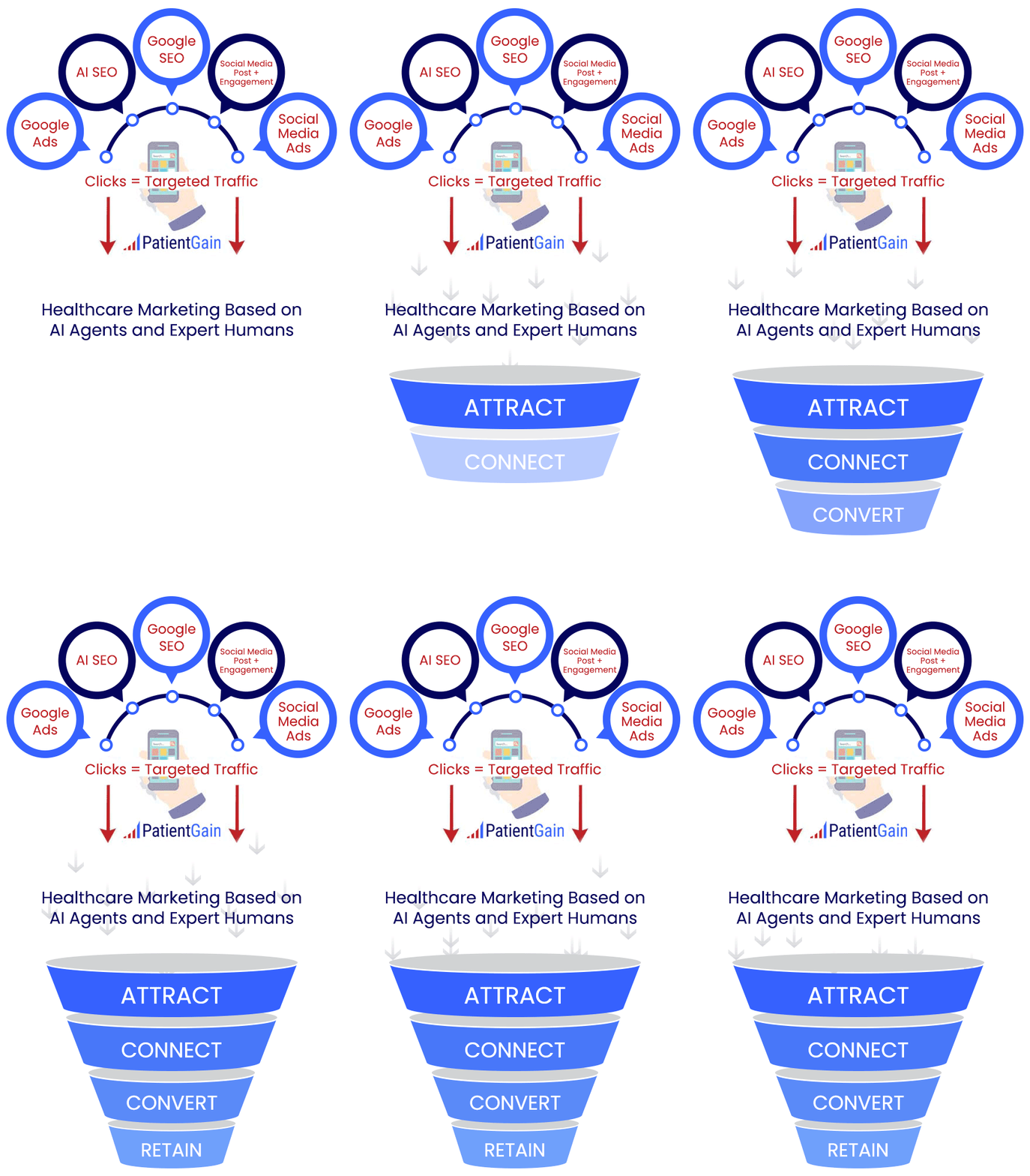
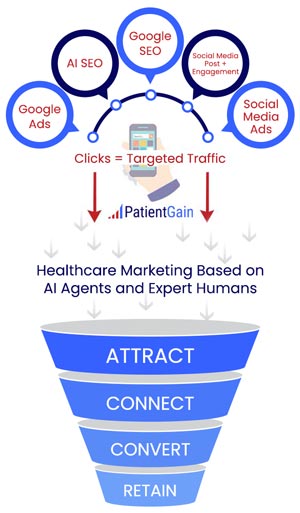
High-Value Traffic (Intent-Driven): These visitors are actively seeking a solution, such as searching “cardiologist near me,” “knee surgery in [City],” or “pediatrician reviews”. They are closer to booking an appointment. Google SEO generated using specific service pages creates the highest level of “intent” based traffic. Next is AI based Q&A – Also known as AEO, is very effective. Next is Google PPC ads (Not PMAX ads)
Low-Value Traffic (Information-Seeking/General): These visitors are looking for general definitions (e.g., “what is hypertension”) or are outside your geographical service area. They likely have low conversion rates. Social media traffic is generally low-conversion traffic, for healthcare providers. You also have to be very careful when capturing leads on social-media, as most of the social media websites, like Meta are not HIPAA compliant. Generally Google PMAX ads, and Meta ads produce much lower value traffic.
Factors Affecting Traffic Value
Intent and Search Keywords: Specific, long-tail keywords (e.g., “best dermatologist for acne in [City]”) bring in more targeted traffic that is 3x more likely to convert than generic searches.
Geography (Local SEO): For most practices, traffic from outside their service area is wasted. A robust local SEO strategy ensures that only patients in your immediate area find your site, making that traffic highly valuable.
User Experience (Conversion Potential): A well-designed website that makes it easy to “Contact Now” converts traffic at a higher rate (4%-18% conversion rate) than a cluttered site with no clear action. If your website provides multi-channel contact options for patients (Using AI Agents helps also) Your website site’s conversion rate will be much higher than a website only offers 1) Call the practice and/or 2) Book an appointment. Example of an app that is optimized for multi-channel conversion for medical and dental practices with HIPAA compliance is SPOC app.
Traffic Source: Organic search and targeted local SEO often provide higher-quality, “warm” leads compared to broad-reach social media ads, which are better for awareness.
Characteristics of High-Value Traffic
High Engagement: Users spend time reading about specific services or viewing provider profiles.
Action-Oriented: Users click on CTAs (Call to Actions) like “Contact,” “Download Patient Forms,” or “Send a Text Now”.
Local Relevance: The traffic originates from your physical service location.
Strategies to Attract High-Value Traffic
Optimize for Long-Tail Keywords: Focus on specific, multiword phrases.
Utilize Patient-Focused Content: Create educational, evidence-based content that answers specific patient questions rather than general, broad-topic articles.
For a healthcare provider Google is still the most important strategy. But do not ignore other channels.
In conclusion, a successful healthcare website strategy prioritizes quality over quantity. A low volume of highly targeted, local traffic is superior to a high volume of general, non-converting visitors.
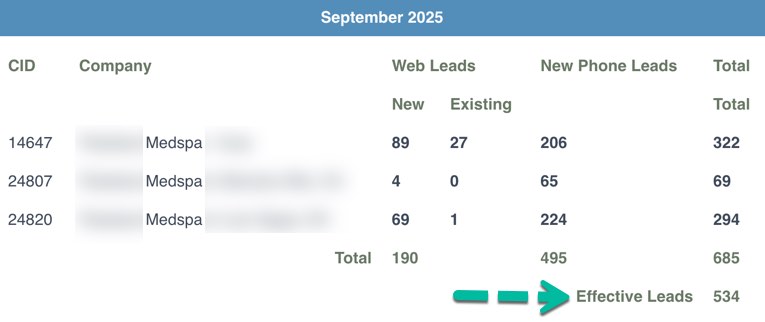
Example of very successful healthcare website that gets high value traffic for medical website.
*****By using this website and sending us your information, you are giving us permission to contact you by electronic and non-electronic means. (Permission for SMS/Text messaging is only obtained via explicit opt-in checkboxes on our contact forms). We also track conversions and collect user data to improve services, excluding mobile numbers and SMS consent data.
******3rd party tracking services, like Google Analytics, Google Tag manager, Facebook, Instagram, Meta Pixels track, collect and use IP address and other data and location data about patient PHI.
*******If you are vision-impaired or have some other impairment covered by the Americans with Disabilities Act or a similar law, and you wish to discuss potential accommodations related to using this website, please contact us.


 Send Text
 How may I help you?