

Comparing Healthcare Practice Marketing Services For Wellness + Functional + Preventative Practice
For a healthcare practice marketing services, compare CUSTOM services VS PatientGain’s PLATINUM service VS D.I.Y. Internal staff
Example – Single location Wellness + Functional + Preventative Practice – 6 Exam rooms 4 FT staff, 2 PT staff – Location is Washington State – outside Seattle
When choosing a marketing strategy for a healthcare practice, the primary trade-offs involve upfront cost, speed to market, and level of control. Below is a comparison of Custom Agency services, PatientGain’s PLATINUM service, and D.I.Y. Internal Staff.
For this practice: They have decided that their strategy is 1) Nutrition and 2) Wellness + Skincare
Nutrition services include medical weight loss (GLP-1), eating disorders, food coaching, exercise coaching, and big focus on HRT for women.
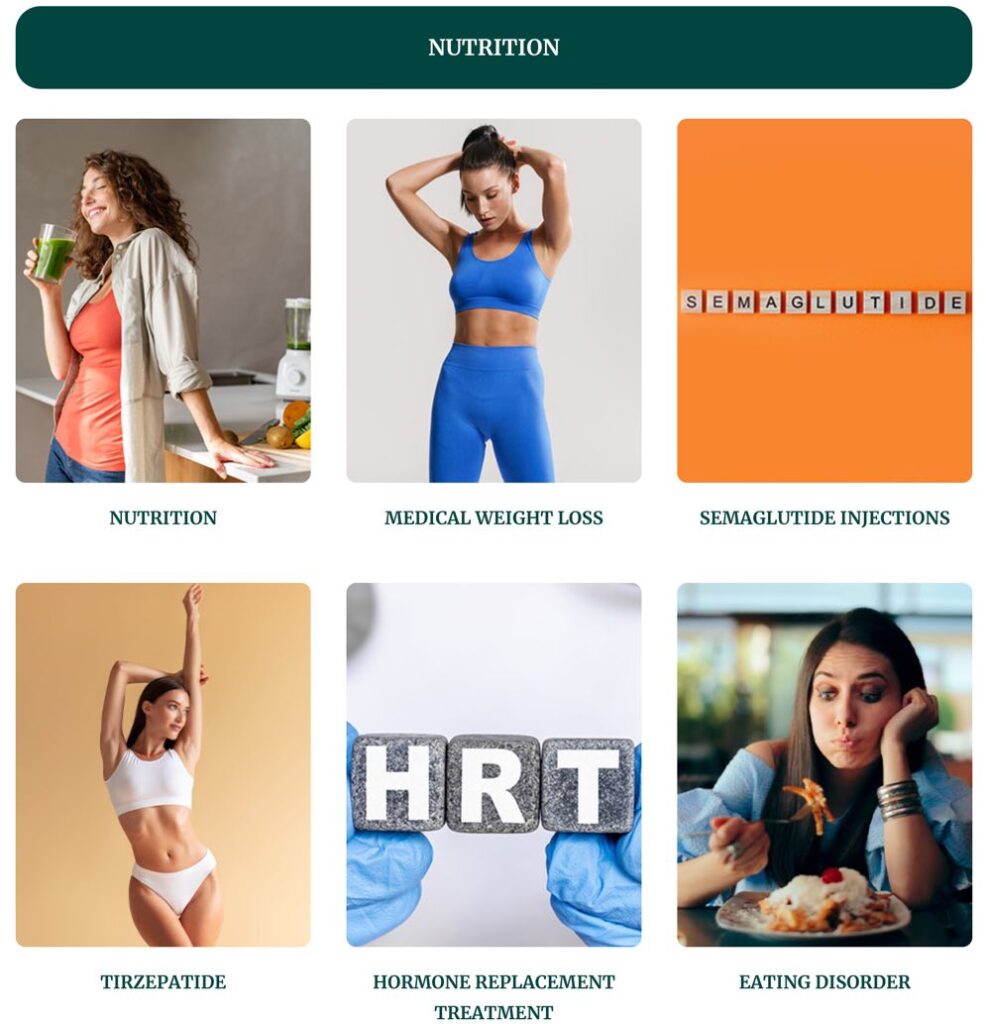
For this practice: They have decided that their strategy is 1) Nutrition and 2) Wellness + Skincare
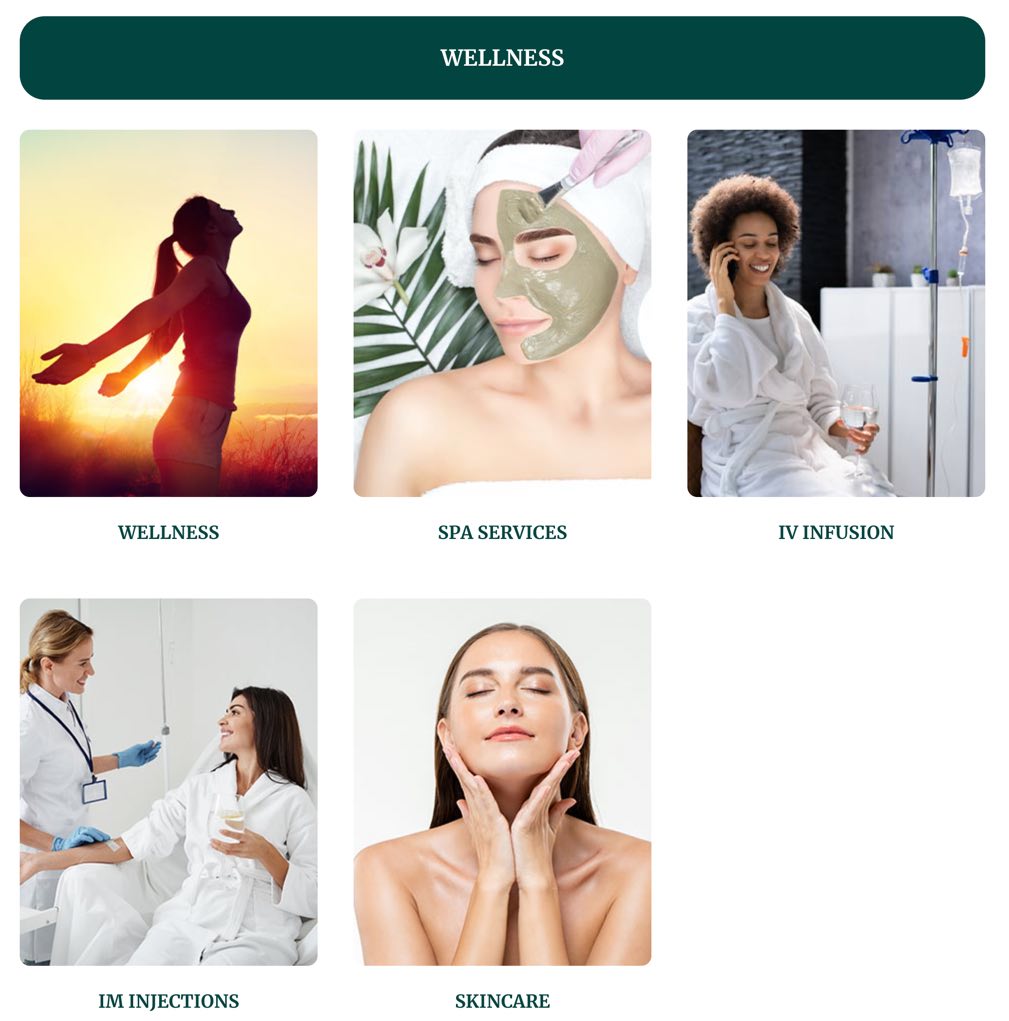
For Wellness, Skin care services include Botox, IV infusion, IM injections, and microneedling.
Quick Comparison Table
| Feature | Custom Agency Services | PatientGain PLATINUM | D.I.Y. Internal Staff |
|---|---|---|---|
| Upfront Cost | High ($6,000 – $15,000+) | $0 (with 12-mo contract) | Moderate (Hiring/Training) |
| Monthly Cost | High ($3,000 – $6,000+) | Fixed ($1,399+ to $1999+) | High (Salary/Benefits) |
| Setup Speed | Slow (Bespoke build) Several months | Fast (Pre-optimized) – Typical go-live in 30 days | Variable (Depends on skill) |
| Compliance | Requires Manual Oversight | Built-in HIPAA/BAA | High Risk (Staff errors) |
| Control | Total Creative Control | Semi-Custom/Automated | Total Internal Control |
1. Custom Services (Boutique Agency)
Custom services are best for practices or those with highly specific, non-standard branding requirements.
- Pros: Offers total creative control over website structure and unique brand voice.
- Cons: Often leads to “vendor sprawl,” where you must manage separate providers for SEO, CRM, and texting.
- Risk: Higher chance of “HIPAA leakage” when data moves between multiple non-integrated third-party tools.
2. PatientGain PLATINUM Service
This is an “all-in-one” AI based automated platform, with human expert oversight — designed for medium-to-high competition markets.
- Pros:
- Consolidation: Replaces 5–8 separate vendors (SEO, Chatbot, CRM, Texting) with one integrated dashboard.
- Performance: Uses A/B tested designs shown to achieve conversion rates of ~10%, compared to the 4.2% industry average for custom sites.
- Automation: Includes 20+ HIPAA-compliant apps, such as AI-driven missed-call texting and automated social media posting.
- Cons: Restricted technical access; you cannot freely move certain design elements (like CTAs or apps) to ensure the pre-optimized conversion framework remains intact.
3. D.I.Y. Internal Staff
Hiring an in-house marketing manager or coordinator provides the deepest brand knowledge but carries significant overhead.
- Pros: Staff are deeply submersed in the practice’s daily operations and can pivot strategy instantly.
- Cons:
- Expense: A single marketing manager ($80) and coordinator ($45k) can cost ~$125,000/year plus benefits.
- Tool Costs: You must still pay for individual software licenses for email marketing, SEO tools, and CRMs.
- Risk: Internal teams often face “tunnel vision” and may lack the specialized technical expertise to keep up with shifting HIPAA regulations or SEO algorithms.
What are some HIPAA best practices for a marketing team?
For a healthcare marketing team, HIPAA compliance centers on protecting Protected Health Information (PHI)—any data that can identify a patient in a health context. Key best practices include:
1. Authorization and Consent
- Obtain Documented Authorization: You must have a signed, specific HIPAA authorization before using PHI (including names, photos, or testimonials) in any marketing material.
- Detailed Consent Forms: Authorizations should clearly state what PHI will be used, for what purpose, through which channels, and specify an expiration date.
- Right to Revoke: Patients must be informed they can revoke their consent at any time, and you must honor these requests immediately.
2. Digital Channel Management
- Social Media Boundaries: Never post patient photos, success stories, or even acknowledge someone as a patient in comments without explicit written permission.
- Secure Email/SMS: Standard services are often not compliant. Use platforms that offer end-to-end encryption and are willing to sign a Business Associate Agreement (BAA).
- Website Trackers: Regularly audit your site for third-party tracking pixels (like Meta or Google). Sharing identifiable data like IP addresses from authenticated pages (e.g., appointment schedulers) without a BAA can be a violation.
3. Vendor and Data Security
- Signed BAAs: You must have a signed BAA with every third-party vendor that might touch PHI, including marketing agencies, email providers, and CRM platforms.
- De-identification: Whenever possible, use de-identified or aggregated data for audience building and analytics to remove the data from HIPAA jurisdiction.
- Minimum Necessary Standard: Only access or share the smallest amount of PHI required for a specific marketing task.
4. Team Operations
- Regular Training: Conduct HIPAA training at onboarding and at least annually for all marketing staff to help them distinguish between permissible healthcare operations and restricted marketing.
- Internal Review Process: Implement a mandatory compliance review step for all patient-related content before it is published.
- Response Protocols: Establish a plan for managing online reviews. Never confirm a reviewer is a patient; instead, respond with general statements and provide a secure way to contact the office privately.
How can PatientGain.com’s PLATINUM service replace 5 to 8 service providers?
PatientGain.com’s PLATINUM service functions as an “all-in-one” digital clinic by consolidating roughly 20 integrated, HIPAA-compliant applications into a single dashboard. This replaces the need for a practice to manage and pay for multiple disconnected vendors for distinct marketing and administrative tasks.
The “5 to 8” Services Replaced
By using a unified platform, the PLATINUM service typically eliminates the following separate providers:
- Web Developer & Website Hosting: Replaces the need for a web agency and separate hosting (e.g., WP Engine or GoDaddy) with a high-performance WordPress site hosted on Google Cloud.
- SEO Agency: Replaces monthly SEO retainers with automated monthly content updates and proprietary “reverse search engine” strategies.
- CRM & Leads Funnel Provider: Replaces platforms like Salesforce or HubSpot with a HIPAA-compliant CRM that tracks leads from first contact to appointment.
- Messaging & Texting Apps: Replaces services like Podium or Birdeye with two-way texting and secure messaging tools.
- Appointment Scheduling Software: Replaces third-party tools (e.g., Zocdoc or Calendly) with integrated online appointment apps that sync with the CRM.
- Reputation Management: Replaces specialized review tools with apps designed to automate review solicitation on Google, Healthgrades and many more.
- Social Media Posting App: Replaces tools like Hootsuite with the “Social Auto Pilot” app, which handles up to 20 automated clinical posts per month. Posts are based on your services, and include 20 posts for Google (GMB) posts, 20 posts for Instagram, and 20 posts for Facebook.
- Email Marketing Services: Replaces standalone Email service providers. PatientGain.com’s PLATINUM service functions as an all-in-one, HIPAA-compliant ecosystem that replaces traditional email marketing tools like Mailchimp by integrating CRM, SMS, and AI-driven content into a single platform. It offers a fully managed, “done-for-you” approach that includes BAA coverage and automated patient nurturing, eliminating the need for separate vendors and manual compliance configurations.
Core Integration Feature: The SPOC + QuickSend App
The primary tool that enables this consolidation is the Single Point of Conversion (SPOC) app. It acts as a unified inbox—similar to Gmail or Outlook—that funnels every text, phone call, website inquiry, and chatbot lead into one dashboard. This prevents “lead leakage” and removes the need for staff to juggle 5–8 different logins to manage patient communication.
How does SPOC and QuickSend apps work for patient communications and patient conversion?
In the PatientGain.com PLATINUM service, the SPOC and QuickSend apps function as an integrated “Intake and Response” system. While they are separate tools, they work together within a single dashboard to manage the entire patient journey from the first inquiry to a scheduled appointment.
1. SPOC App: The “Central Brain” for Intake
The Single Point of Conversion (SPOC) app functions as a unified, email-style dashboard that centralizes all patient communications—appointments, forms, chats, texts, and missed calls—to prevent lead leakage. It ensures 100% of inquiries are captured and logged. Key features include:
- AI Integration: The Intelli*Connect™ agent provides instant, 24/7 automated responses for FAQs, such as hours or services.
- Lead Categorization: Incoming inquiries are automatically tagged (e.g., “New Patient”) to help staff prioritize high-intent, billable interactions.
2. QuickSend App: The “Execution Tool” for Response
The QuickSend app acts as a HIPAA-compliant, secure messaging tool designed to facilitate immediate, one-way or two-way communication. It is fully integrated with the SPOC dashboard for seamless workflow.
- Rapid Communication: Staff can quickly send pre-approved, customized templates (e.g., appointment links, directions) to patients.
- Secure Data Exchange: It enables the rapid, secure transmission of patient intake forms, registration documents, and insurance requests.
- Audit Logging: Every message is encrypted and logged within the SPOC CRM, ensuring compliance and enabling performance review.
The Combined Conversion Workflow
This integrated approach, which drives high-intent engagement via mobile-friendly tools, is designed to increase website conversion rates—often surpassing 10% compared to a 4.2% industry average.
- Capture: SPOC catches the initial lead immediately.
- Automated Triage: The AI responds immediately to FAQs.
- Action: Staff use QuickSend to send a secure, clickable booking link or intake form.
- Conversion: The patient books the appointment or completes forms on their device, often without a phone call.
 Send Text
 How may I help you?