

Which one is more effective for healthcare SEO and conversion : Writing an SEO blog VS writing an SEO page based on specific services?
This is common question asked by providers and dental practice managers and medical practice managers. For example, in this use case, Dr Goldsmith has an established practice in California. She is in one of the most competitive areas in the USA. Several medical SEO marketing experts have been working on her website to improve the medical SEO for her website. Since she wants to rank in the top 1, 2 or 3rd position on organic Google searches for “anti aging doctor near me” and “anti aging doctor near me {city name}”.
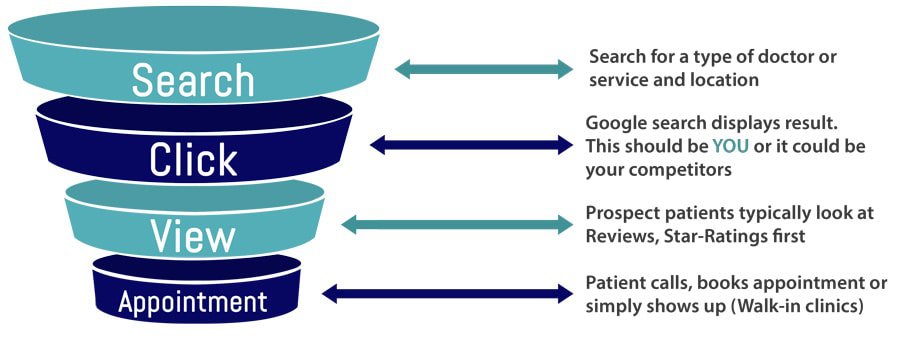
When Dr Goldsmith started using PLATINUM service, we found out that there were many medical SEO blogs already present on the website. However, more than 36% of the medical SEO blogs were plagiarized. So these medical SEO blogs had to be corrected. After removing the plagiarized content, we saw improvement in the SEO rankings within 2-4 months based on focused keywords for these SEO blogs. After 8 months of data gathering and using the best practices of PLATINUM service, the same medical SEO blogs were converted to medical SEO pages. We found out that by using the same content, but converting them to full SEO pages, the SEO rankings and conversions increased anywhere from 12% to 26%. No other changes were done. Since then we have found that Google’s SEO algorithm are looking for useful content for the reader. So if the same SEO Blog content is converted to a full SEO page, with proper headings, meta-tags, links, and page structure, almost 100% of the time, the SEO rankings will improve. However medical SEO blogs are easier to create and manage. Creating full medical SEO pages takes more work and effort. So most medical SEO companies will simply write medical SEO blogs to save time and effort. However, PatientGain does not recommend this approach, as Google’s algorithm are NOT looking for “blogs”, they are looking for useful information for the reader (it implies complete pages, with proper tags, links and many other factors, like the speed of the page) , and the content should be at least 96% unique. Avoid content generated by AI or ChatBot’s. Google’s algorithms are too intelligent to detect AI or ChatBot generated content. Content should be written by knowledgable staff who have excellent native english writing skills and knowledge of the dental and medical industry.
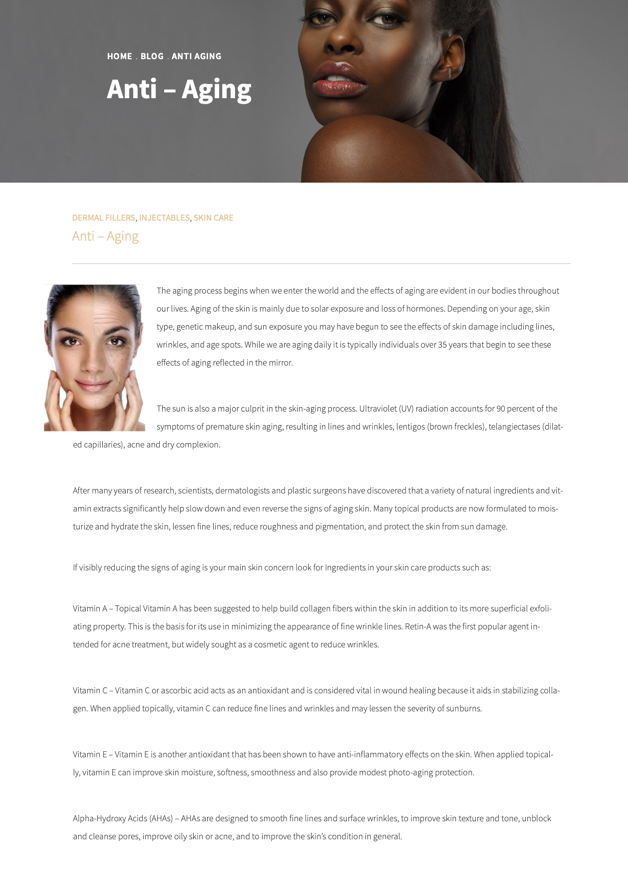
Example of an medical SEO Blog Page:
Most companies write these type of blogs. These have lower SEO and lower conversion rates.
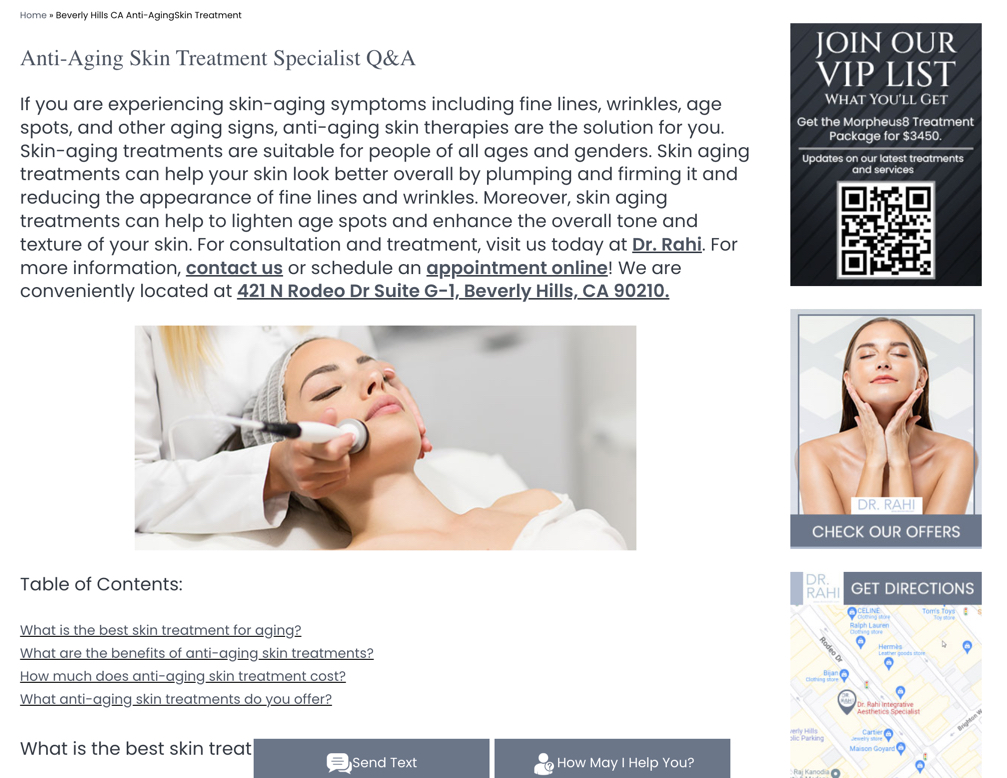
Example of a medical SEO Page:
PatientGain writes full SEO pages for your medical practice. These have higher SEO and higher conversion rates.
5 reasons why PatientGain healthcare SEO strategy produces better ROI than traditional healthcare SEO techniques
PatientGain focuses on creating Service Pages rather than traditional Blogs because Service Pages are engineered for High-Intent Conversion and Local SEO Dominance. While blogs are good for casual engagement, Service Pages target patients who are ready to book an appointment now.
1. Targeting “High-Intent” vs. “Informational” Search
- Service Pages (Transactional Intent): These target keywords like “Dental Implants in [City]” or “Botox near me.” Patients searching these terms have a high intent to purchase or book.
- Blogs (Informational Intent): Blogs often target “How-to” or “What is” questions (e.g., “How to whiten teeth at home”). While these drive traffic, the visitors are often “window shoppers” who may not be in your geographic area or ready to pay for professional services.
2. Local SEO and the “Map Pack”
- The Power of GEO-Targeting: PatientGain creates Geo-Targeted Service Pages (e.g., “Urgent Care in [Your City]”). Google’s algorithm prioritizes these “Service + Location” pages for the Local Map Pack (the top 3 map results).
- Consistency: Unlike blogs, which are often buried in a chronological feed, Service Pages live in your main navigation. This constant presence reinforces your practice’s relevance for that specific service in your specific city.
3. Superior Conversion Rates (The “Straight Line” to Booking)
- Frictionless Path: A Service Page is designed as a landing page.1 It includes the medical details, benefits, and a direct Call-to-Action (CTA) like a “Book Now” button or a QuickSend text link.
- Reduced “Bouncing”: Patients looking for a specific treatment want to see a dedicated page for it. If they land on a generic blog post, they may leave; if they land on a dedicated “Invisalign” service page, they are significantly more likely to convert into a lead.
4. Meeting Google’s E-E-A-T Standards
- YMYL (Your Money or Your Life): Healthcare content is scrutinized heavily by Google.2 Comprehensive Service Pages allow you to demonstrate Expertise and Authoritativeness more effectively than short, conversational blog posts.
- Structural Advantage: Service pages allow for better use of Schema Markup (structured data), which tells Google exactly what service you offer, the price range, and your location—data that is harder to categorize in a standard blog format.3
5. AI-Powered “Reverse Search” Optimization
- Data-Driven Creation: PatientGain uses proprietary AI to analyze exactly how patients in your area search. They then build a Service Page to “catch” that specific search volume.
- Efficiency: Instead of writing 4 blogs about “Summer Skin Care,” PatientGain would build one high-performing “Laser Skin Resurfacing” service page that generates actual revenue year-round.
Summary: Blogs vs. Service Pages
| Feature | Blog Posts | Service Pages (PatientGain Focus) |
| Primary Goal | Education / Brand Awareness | Lead Generation / Appointments |
| Search Intent | Informational (“What is…”) | Transactional (“Service near me”) |
| SEO Impact | Long-tail / National | Local Map Pack / Geo-targeted |
| Longevity | Decays over time (Archive) | Evergreen (Foundational content) |
| Conversion | Low (Patients stay to read) | High (Patients stay to book) |
Read more about medical SEO, book an introductory Zoom meeting and see some real examples.
 Send Text
 How may I help you?