
Improving Healthcare Marketing: 10 Key Strategies
Companies that Specialize in Improving Medical and Dental Marketing Follow Certain Best Practices. There are 10 Key Strategies Used. These days landscape of medical and dental marketing has shifted from simply “ranking on a page” to becoming the authoritative answer across AI platforms and voice assistants. Specialized agencies now focus on a “Full-Funnel” approach that balances technical AI-readiness with high-trust human elements.
The 10 key strategies used by top-tier medical and dental marketing companies:
1. Answer Engine Optimization (AEO)
Agencies no longer just target keywords; they optimize for “answers.” This involves structuring website content into concise Q&A blocks that AI models (like ChatGPT, Gemini, and Search Generative Experience) can easily pull into their response boxes. The goal is to be the single spoken answer when a patient asks, “Who is the best emergency dentist near me?”
2. Deep Medical Schema Markup (Also a part of Technical Medical SEO)
Top companies use advanced JSON-LD structured data to talk directly to AI scrapers. This code identifies specific clinic details that humans can’t see, such as NPI numbers, accepted insurance plans, board certifications, and specific medical procedures offered.
3. Physician-Led Short-Form Video
With “Social Search” (TikTok and Instagram Reels) replacing traditional search for younger patients, agencies prioritize raw, authentic video.
- The Strategy: 30–60 second clips of the doctor answering a common patient question.
- Why it works: It builds E-E-A-T (Experience, Expertise, Authoritativeness, and Trust) which AI engines use to verify the quality of a source.
4. Zero-Friction Patient Self-Contacting
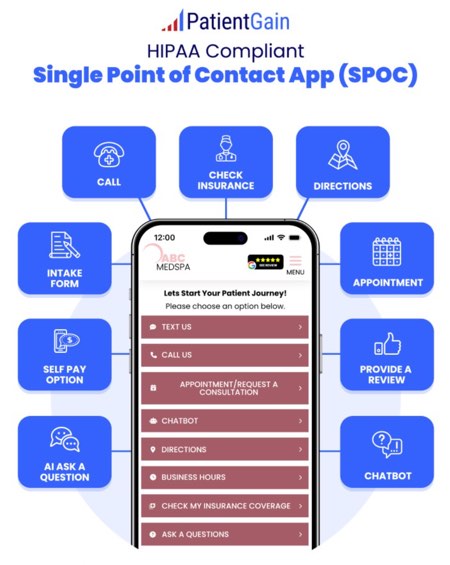
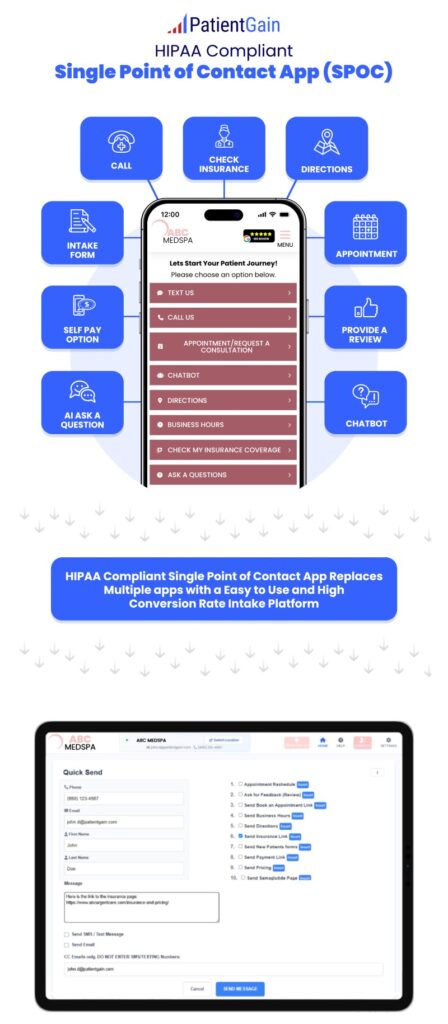
In 2026, a simple “Book Now” or “Contact Us” form is considered a barrier. Best practices now use intelligent apps like SPOC app to increase conversions. These Multi-Channel lead capture apps allow your healthcare practice to immediately improve the bottom line and top line.
- The Stat: Approximately 23% of leads requests are now initiated outside of business hours; clinics without a an intelligent conversion app like SPOC app lose a significant amount of digital leads and there is also a significant amount of leads-leakage.
5. Hyper-Local “Micro-Targeting”
Instead of broad city-wide ads, agencies use Geofencing and Local Services Ads (LSAs). They target patients within a 3–5 mile radius of the clinic, specifically focusing on “new movers” who have just updated their address and are looking for a new local provider.
6. Privacy-First, HIPAA-Compliant Tracking
With the phase-out of traditional cookies and stricter HHS regulations, marketing companies have moved to server-side tracking. This allows clinics to measure ad performance without sending sensitive Protected Health Information (PHI) to platforms like Meta or Google.
7. Reputation Management & “Consensus” Building
AI models look for a “consensus” across the web. Marketing companies automate review requests to ensure a steady stream of fresh, keyword-rich feedback.
- Example: If 50 reviews mention “gentle cleaning,” the AI will categorize that practice as the “top choice for gentle dental care.”
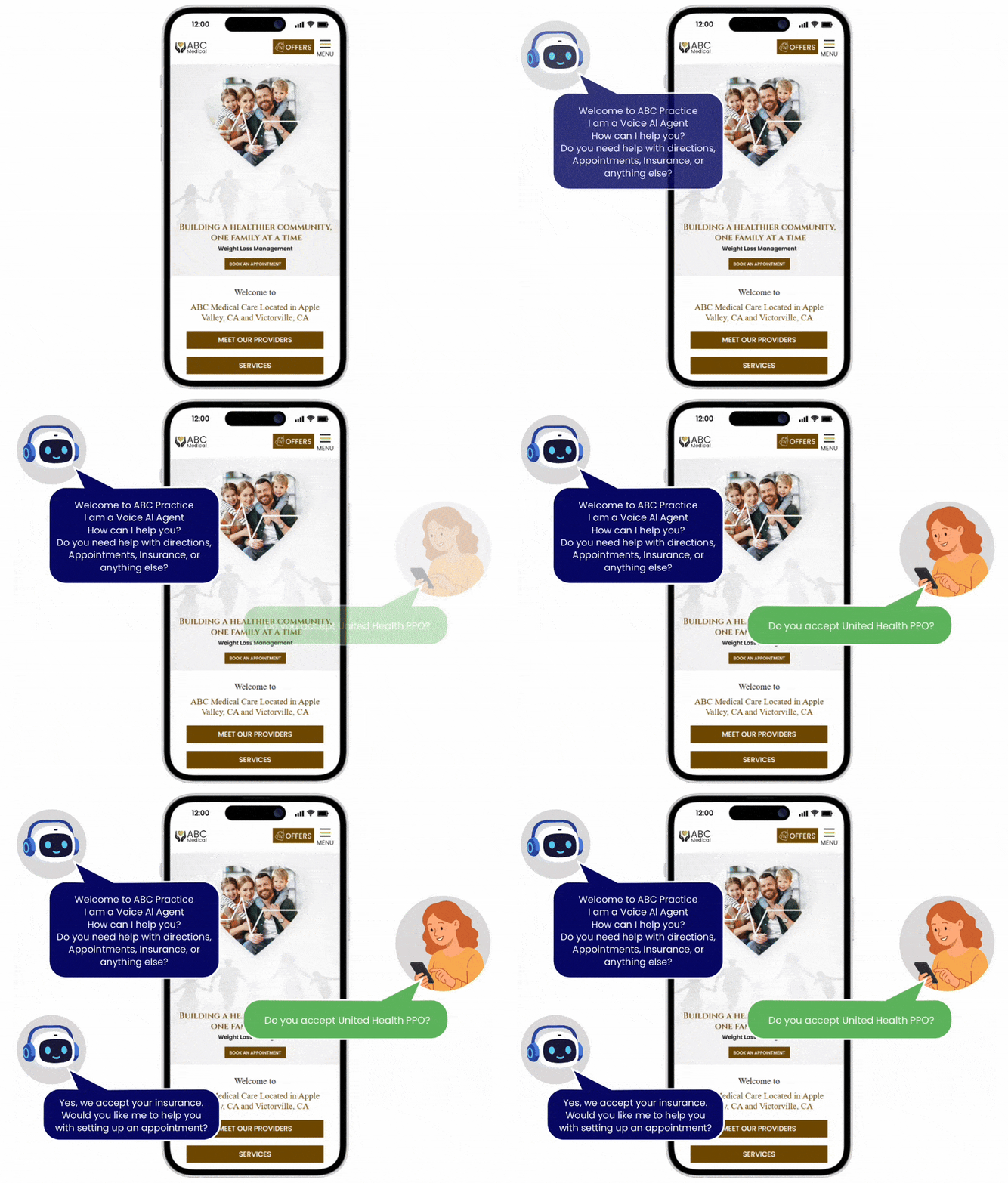
8. Conversational AI Voice Agents
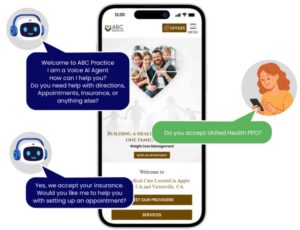
Agencies are deploying Voice AI Agents on websites to handle the 8:00 AM phone rush. These agents can triage emergencies, answer billing questions, and book appointments 24/7, ensuring no patient call ever goes to voicemail.
9. Content “Quality over Quantity”
The era of 2,000-word “keyword-stuffed” blogs is over. Agencies now produce high-value, niche resources—like a service page that outlines “Dental Implant Recovery Steps”—that provide deep value. AI rewards this “topical authority” more than frequent, low-quality posts.
10. Patient Reactivation & Retention Automation
Acquiring a new patient is 5x more expensive than keeping one. Top agencies use Predictive Analytics to identify patients who are “at-risk” of leaving or those overdue for a checkup, sending them personalized, AI-generated SMS or email reminders to get them back into the chair.
How does PatientGain.com’s PLATINUM monthly service helps with Medical and Dental Marketing follow these best practices?
PatientGain.com’s PLATINUM monthly service is built specifically to help medical and dental practices follow—and consistently execute—the core best practices used by top healthcare marketing companies. Rather than offering isolated tools, PLATINUM delivers an integrated, done-for-you system that aligns strategy, technology, compliance, and patient acquisition.
1. Patient-Centered Website Design
PLATINUM websites are designed around how patients search, think, and decide. Pages are structured with clear questions, simple language, fast load speed, mobile optimization, and prominent booking actions—removing friction from the patient journey.
2. Local SEO & Google Business Optimization
The service includes local SEO engineering:
- Location-specific service pages
- Google Business Profile optimization
- Review velocity strategies
- Map pack visibility improvements
This ensures practices rank for “near me” and city-based searches that drive real appointments.
3. Answer Engine Optimization (AEO) Built In
PLATINUM pages are structured for Answer Engines, not just traditional SEO.
This includes:
- Question-based H1s and FAQs
- Featured-snippet formatting
- Voice-search-friendly content
- AI-readability for Google, ChatGPT-style answers, and voice assistants
4. HIPAA-Compliant Conversion Tools
PatientGain integrates HIPAA-compliant forms, chat, SMS, and Voice AI agents, allowing practices to capture and engage leads safely—without risking compliance violations. Best approach is to simply include the SPOC app on your website, and it can accomplish a lot for your practice.
5. Service-Line–Focused Content Strategy
Instead of generic pages, PLATINUM builds dedicated pages for each revenue-driving service (e.g., dental implants, urgent care X-rays, weight loss injections, Botox).
This attracts high-intent patients, not casual browsers.
6. Provider-First Branding & Trust Signals
Doctor names, credentials, board certifications, and experience are woven throughout the site and content. This aligns with how patients evaluate care and improves click-through and conversion rates.
7. High-Intent Paid Ads Alignment
PLATINUM supports Google Ads and paid campaigns by ensuring landing pages are:
- Keyword-Exact matched
- Location-specific
- Conversion-optimized
This improves Quality Score, lowers cost per lead, and increases ROI.
8. Reputation & Review Growth Systems
The platform includes review acquisition and management workflows that help practices build consistent, authentic reviews—one of the strongest ranking and trust factors in healthcare.
9. Marketing Automation & Patient Nurturing Email Marketing
PLATINUM includes websites to Patient Nurturing Email Marketing, helping increase engagement.
10. ROI Tracking & Live Marketing Dashboards
Every action—calls, forms, bookings, chats—is tracked. Practices can see what actually produces patients, not just traffic, allowing marketing decisions to be based on revenue impact.
 Send Text
 How may I help you?