

Multi-Channel Contact App for Healthcare Practices
Modern healthcare practices use multi-channel contact options to improve patient access, engagement, and satisfaction by allowing patients to choose their preferred method of interaction. These channels often include a mix of traditional and digital, such as phone, SMS, email, patient portals, and social media. Latest trend is Voice Based AI Agents.
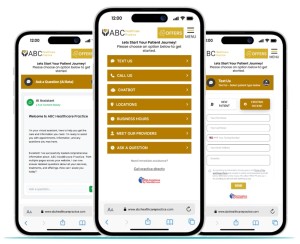

How patients contact a medical or a dental practice
Patients typically contact medical practices through several common channels, ensuring they can choose the most convenient method for them. These channels include:
- Phone Calls: This is often the most direct and traditional method. Many patients prefer calling to schedule appointments, ask about services, or clarify insurance details on the phone. Medical practices usually have a dedicated phone line for inquiries, with some offering automated systems for quicker responses.
- Online Appointment Booking: With digital convenience, many practices now provide an online scheduling system on their websites or through patient portals. This allows patients to book appointments, request refills, and manage their medical needs without making a phone call.
- Email: Some patients prefer using email for non-urgent inquiries, such as asking about specific services, getting information about medical conditions, or discussing billing issues.
- Text Messaging: Increasingly, practices are using SMS or text messaging to send appointment reminders, confirmations, or even allow patients to reach out for quick questions.
- Patient Portals: Many modern practices have secure online portals where patients can access their medical records, request prescription refills, communicate directly with their doctors, and schedule appointments.
- AI Agents on the website: Patients may also engage with practices via their social media accounts (like Facebook, Instagram, or Twitter), asking questions or reaching out for information about services and availability.
- Walk-ins: In urgent care or certain medical settings, patients may opt to walk into a clinic without an appointment to receive immediate care.
By offering a variety of communication channels, medical practices can accommodate the preferences of different patients and improve overall accessibility.
 Send Text
 How may I help you?