

What is HIPAA Compliant Marketing For Medical and Dental Practice & Providers?
HIPAA-compliant marketing for medical and dental providers is the practice of promoting services while strictly adhering to federal privacy regulations regarding Protected Health Information (PHI). It requires obtaining written patient authorization before using PHI for promotional communications and ensures all marketing vendors sign a Business Associate Agreement (BAA).
For example patient consent is the basis of marketing to patients. In the example below – Consent management App securely and with time stamps and log files stores when patients give you consent. In this app the patients can provide you or deny consent for 1) Consent for Marketing 2) Consent for PHI 3) Consent for SMS/Texting. This app itself must be HIPAA compliant.
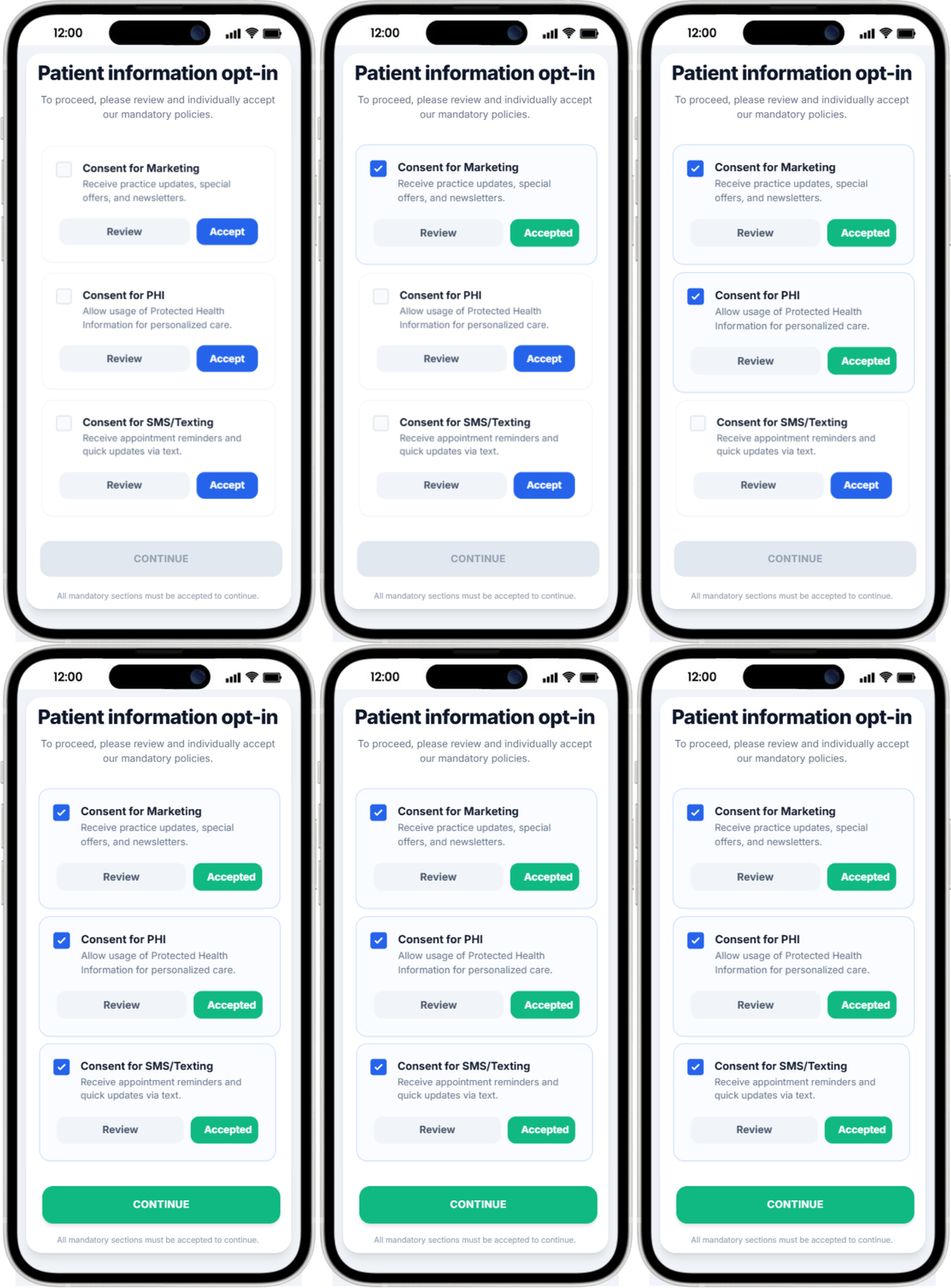
Is Patient Consent the Basis of Marketing?
Yes, written patient authorization (specifically, not just implied consent) is required for most marketing that uses PHI, according to HHS.gov.
What are the Key Elements of HIPAA-Compliant Marketing
Written Authorization (Consent): A patient must sign an authorization form that clearly states what information will be used, why, and for what purpose. If an app is used to obtain consent, it must have clear link so they can read the details. Consent cannot be vague like “Do you accept cookies” – It must be explicit.
Business Associate Agreements (BAA): Third-party marketers (e.g., ad agencies, email platforms) must sign a BAA promising to protect patient data.
Secure Technology: Websites must have SSL certificates, encryption for forms and data, and secure patient portals.
No Improper Use of PHI: You cannot use patient data (e.g., emailing everyone who had a specific surgery) to promote services without prior permission.
Limitations on Third-Party Tracking: Using tools like Google or Meta pixels on patient-facing pages to track behavior for ads is a violation without authorization.
When is Authorization NOT Required?
HIPAA allows marketing without written authorization in these scenarios:
- Face-to-Face: Direct communication between a provider and a patient.
- Nominal Promotional Gifts: Providing small items (e.g., pens, branded toothbrushes).
- Treatment Communications: Discussing products or services required for a patient’s care (e.g., recommending a specific type of dental implant).
Common Pitfalls to Avoid
- Using Before/After Photos: You must have written consent specifically for marketing before sharing patient photos on social media, notes the American Dental Association.
- Implicit Consent: Simply having a patient’s email address or phone number from intake forms does not mean they consented to receive marketing materials.
- Selling Data: Selling patient information to third parties without express, signed authorization for that sale is strictly forbidden.
- Exchanging Data: Exchanging patient information from one practice to another without express, signed authorization for that exchange is strictly forbidden. For example if you have 2 practices – One is a MedSpa and second one a a Primary Care. A patient is seen for weight loss in your primary care practice. You cannot use that patient’s information to promote your MedSpa services, unless an explicit documented consent has been received from the patient.
What does PatientGain offer that helps healthcare practices in HIPAA-compliant marketing?
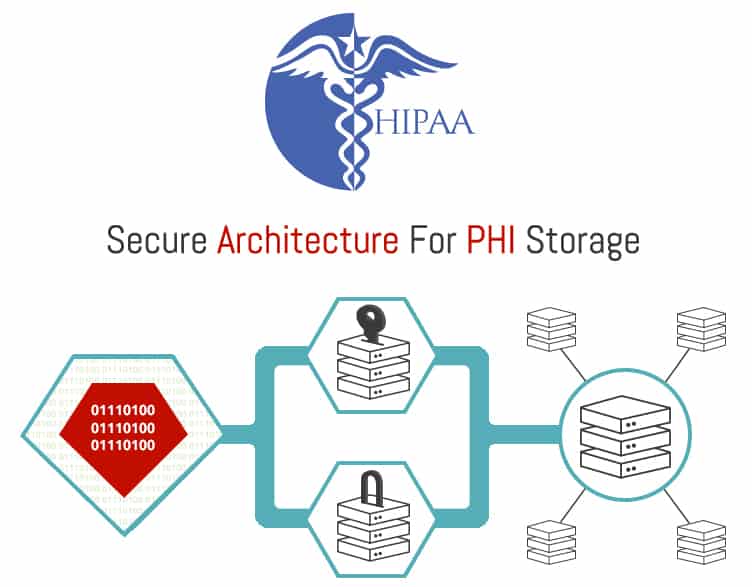
PatientGain.com’s PLATINUM service ensures HIPAA-compliant marketing by centralizing patient interactions within a secure ecosystem that acts as a Business Associate, providing a standard Business Associate Agreement (BAA). The platform utilizes secure, encrypted infrastructure—including decoupled data storage to keep PHI out of the frontend CMS—along with integrated consent management, role-based CRM access, and audited communication tools
 Send Text
 How may I help you?