

Are PatientGain Websites and Apps Too Secure?
No, PatientGain websites and apps are not “too secure” in a negative sense, but they are built with strict, hyper-secure architectural guardrails designed to stop the major security vulnerabilities that plague standard medical websites. Because standard website metrics platforms (like free Google Analytics or Meta Pixels) are now major sources of illegal medical data leaks, PatientGain locks down patient data inside an isolated, highly restrictive environment. It is by design.
When a platform like PatientGain returns an HTTP 403 Forbidden error on certain requests, it means their server understands what you are trying to do but is explicitly refusing to fulfill the request. Because PatientGain handles protected health information (PHI) and must maintain strict HIPAA compliance, their security configurations are highly aggressive. Any traffic outside USA, or any user associated with an IP address that does not have a certain score, cannot see the websites or the HIPAAserver. It is by design.
The “Secure Bubble” Architecture
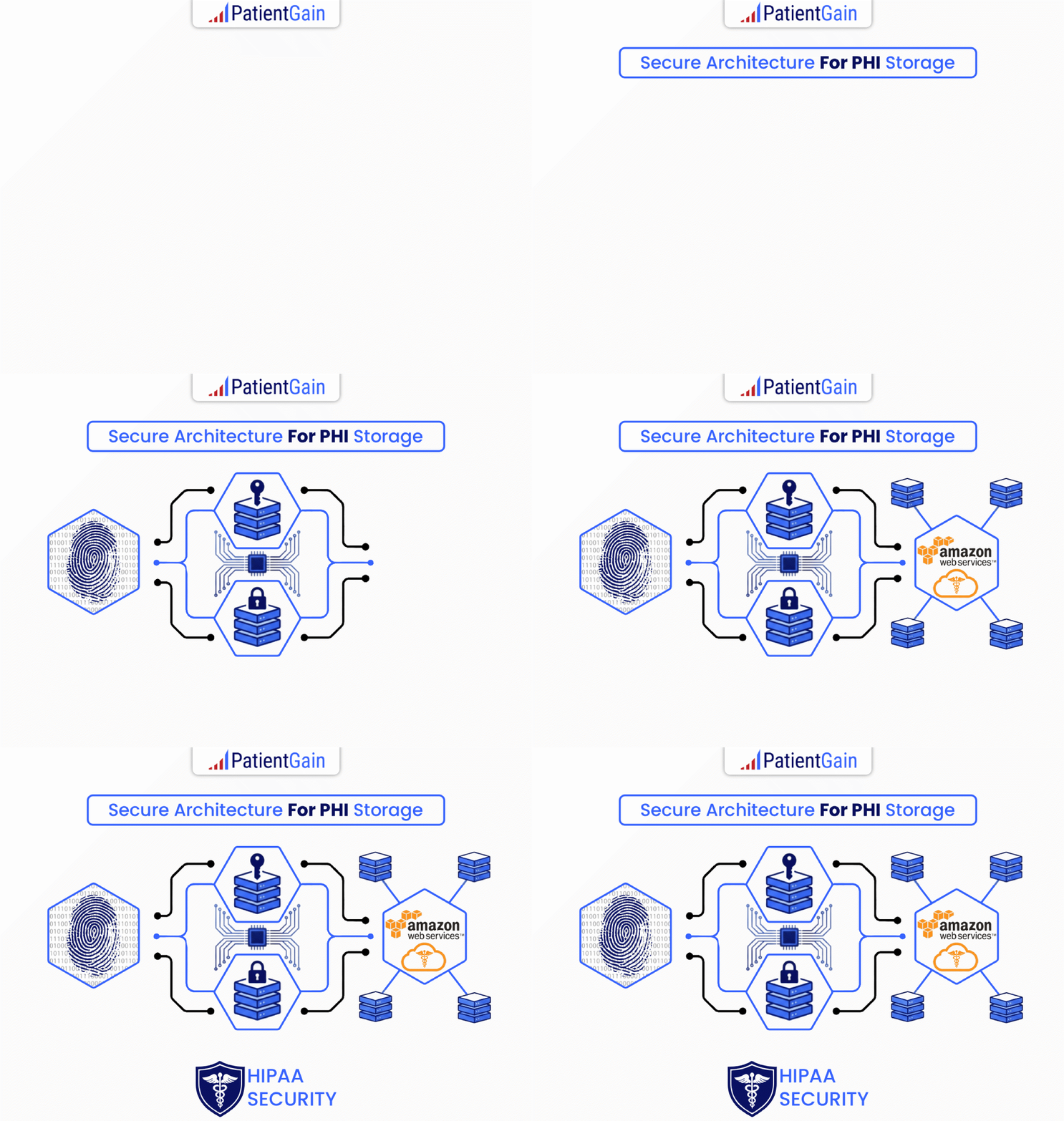
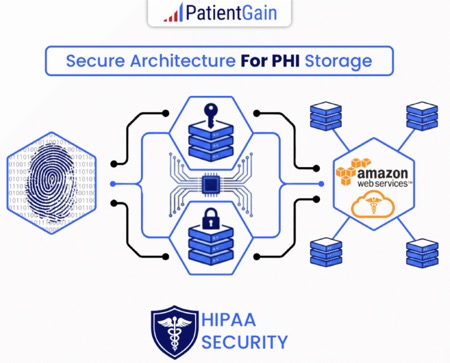
PatientGain uses a proprietary setup called the Secure Bubble to shield Protected Health Information (PHI):
- Data Obfuscation: When a patient fills out a form or uses an AI chatbot, the platform hides their identity, IP address, and browser fingerprints before routing information.
- The “Un-Obfuscate” Step: Front-desk staff must intentionally click an “Un-Obfuscate” button to view patient data. Every time a staff member clicks this, the action is recorded in an immutable audit trail to prevent internal data snooping.
- No WordPress Data Storage: While they use WordPress to design front-end templates, absolutely zero patient data is saved in the WordPress database. It bypasses WordPress entirely and funnels straight into encrypted, HIPAA-compliant Amazon Web Services (AWS) and Google Cloud servers.
Why the Security Might Feel Restrictive
What some users mistake for “excessive security” usually comes down to three operational trade-offs built into the platform:
| Feature / Restriction | Why It Feels Restrictive | The Security Reason |
|---|---|---|
| Server-Side Tracking Only | You cannot just copy-paste standard marketing tracking codes (like a standard Facebook Pixel) into your website header. | Standard browser pixels leak URLs (e.g., a page containing “HIV Testing”) and IP addresses directly to third-party ad networks, which violates HIPAA. |
| Strict Lock-in & Proprietary Code | If you leave PatientGain, you can export your core text content, but you cannot copy or migrate the website code, custom apps, or javascript. | The code relies entirely on custom security frameworks and algorithms hosted on PatientGain’s tightly managed servers. |
| Aggressive Firewalling | Third-party auditing tools or automated scrapers often get blocked. In external industry tests, security protocols have been known to throw 403 Forbidden errors to automated crawlers. | This blocks unauthorized automated bots and malicious script-injection attacks from reaching medical portals. |
Ultimately, PatientGain’s platform is highly optimized to protect medical practices by signing a comprehensive Business Associate Agreement (BAA) and legally sharing data liability. The strictness of the platform is the price of keeping marketing automation fully compliant.
 Send Text
 How may I help you?