
What is the ROI of the SPOC app?
The primary goal of the SPOC (Single Point of Conversion) app is to generate a high Return on Investment (ROI) for a medical or dental practice. The ROI is not generated through a single function, but through two main drivers: increasing revenue (patient acquisition) and decreasing operational costs (staff efficiency).
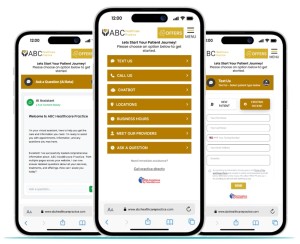

For example: Staff Time Savings: The AI-powered SPOC centralizes communication and automatically answers routine questions (like hours or insurance queries). This frees up front-desk staff from constantly checking multiple platforms (email, phone, text, chat) and answering repetitive questions. In addition, approximately 23% of leads requests are now initiated outside of business hours; clinics without a an intelligent conversion app like SPOC app lose a significant amount of digital leads and there is also a significant amount of leads-leakage.
1. Increased Revenue (Patient Acquisition ROI)
The most direct ROI comes from converting potential patients who otherwise would have been lost.
- Minimizing Lead Leakage: Lets face it, every healthcare practice is going to have “leads leakage”. But as a practice manager is to minimize leads leakage. The SPOC app prevents leads from being missed due to busy phones, appointment requests, SMS/Text messages, or overlooked website form inquiries. If a practice acquires just one or two high-value patients per month that they previously would have missed, the app pays for itself.
- Calculation: If your monthly fee is $499/mon and your average Patient Lifetime Value (LTV) is $3000, and first initial is $189, the app breaks even if 1 to 3 patients are converted solely due to the app’s centralization.
- Faster Conversion: By providing 24/7 automated responses and immediately routing high-intent inquiries to staff, the app ensures the practice responds faster than competitors. This speed directly increases the conversion rate of initial contacts into booked appointments.
- Maximizing Ad Spend: For every dollar spent on PPC or SEO (the Cost Per Acquisition – CPA), the SPOC app ensures the conversion rate on that traffic is maximized. This means you get more booked patients for the same advertising cost, thereby improving the overall ROI of your entire marketing budget.
2. Decreased Operational Cost (Efficiency ROI)
The secondary, and often less obvious, source of ROI is the time and cost saved for the practice staff.
- Staff Time Savings: The AI-powered SPOC centralizes communication and automatically answers routine questions (like hours or insurance queries). This frees up front-desk staff from constantly checking multiple platforms (email, phone, text, chat) and answering repetitive questions.
- PatientGain data suggests that an integrated system can save staff 6 to 14 hours per month in administrative time.
- Reduced Training Time: The unified, intuitive dashboard means new staff requires minimal training to manage patient communications, which reduces training costs and allows them to become productive faster.
- Improved Accountability: The SPOC’s integration with the CRM and Task Funnel creates an audit trail for every lead. This improves accountability, ensuring that staff members follow up on assigned tasks, which further reduces missed conversion opportunities.
Use case and example of a primary care clinic using the SPOC app from PatientGain
How SPOC helps with lowering patient acquisition costs:
To capture all patient communications from a Single Point of Conversion (SPOC) app, use a secure, HIPAA-compliant platform that integrates with multiple apps provided by PatientGain platform, and centralizes communication channels like appointments, SMS, email, and chatbots. These applications automatically log all messages and interactions, track them, and store them securely, with some platforms also offering automated messaging features to streamline common workflows, like appointment reminders or refill requests. Reason: Anywhere from 17% to 42% of new patient inquires fall through the cracks, its called “leads leakage”. By reducing the leads leakage, this, in turn, lowers PAC.
What are examples of “leads leakage”?
- Phone calls
- Appointment requests
- Text messages
- Website contact forms
- Checking insurance on website
- Promotions and offers ( for cash pay)
 Send Text
 How may I help you?