

Healthcare Website Development Companies With HIPAA Compliance
Healthcare website development companies that handle protected health information (PHI) must comply with the HIPAA Privacy, Security, and Breach Notification Rules by implementing a comprehensive set of administrative, physical, and technical safeguards.
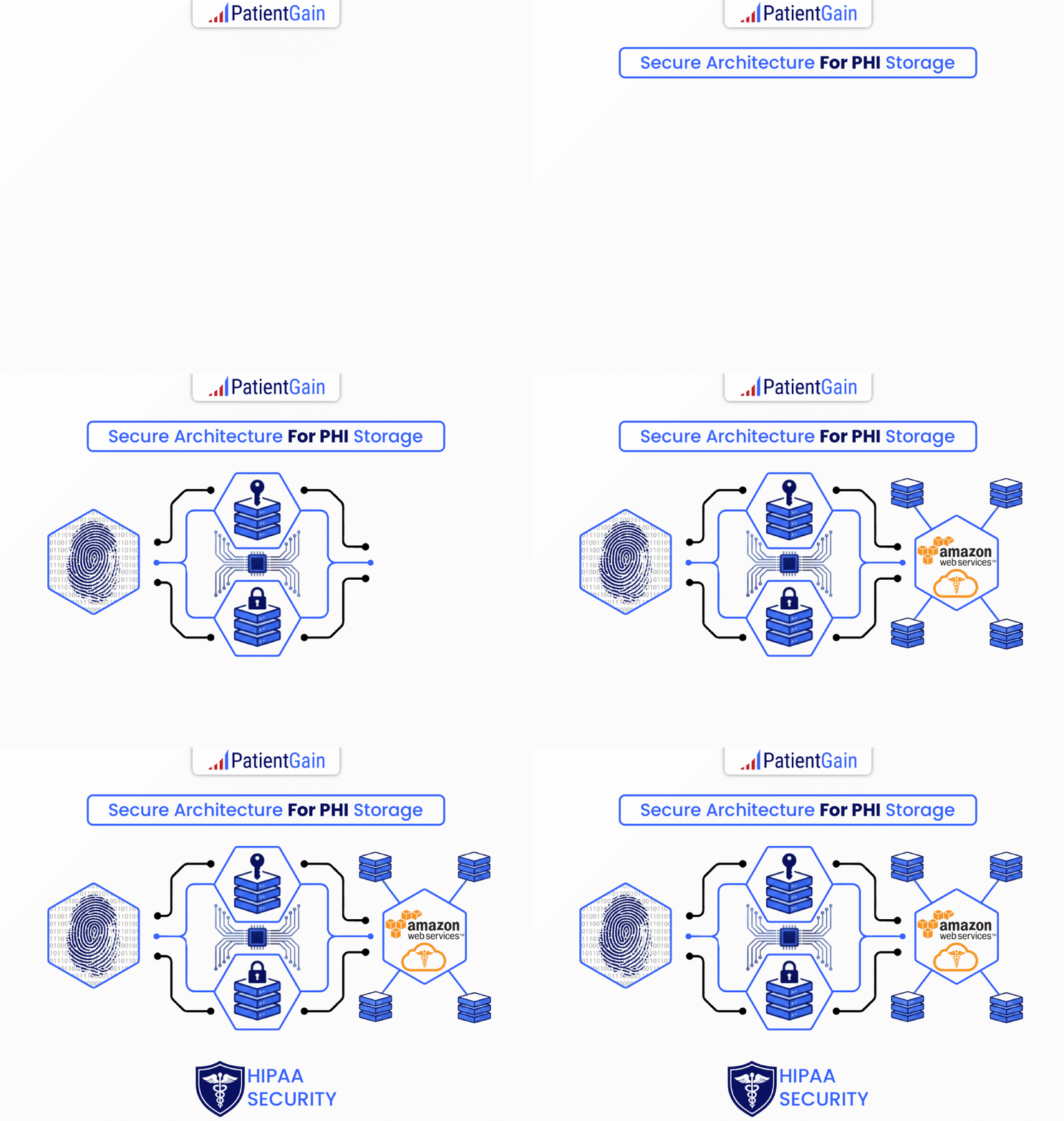
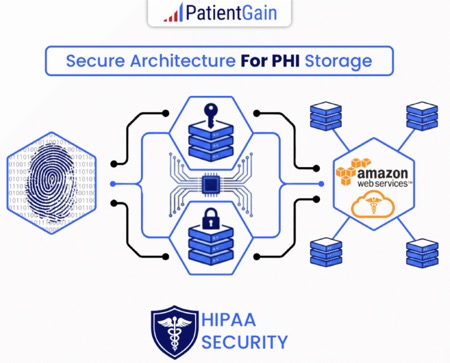
Healthcare website development companies that handle protected health information (PHI) must comply with the HIPAA Privacy, Security, and Breach Notification Rules by implementing a comprehensive set of administrative, physical, and technical safeguards. A critical first step is a signed Business Associate Agreement (BAA) with the client (healthcare practice), which contractually obligates the development company to protect PHI. In addition, they must also know the details of websites development, SEO, conversion strategies. For example, Google Tag Manager is NOT HIPAA Compliant, Facebook Pixels are NOT HIPAA Compliant.

Core Requirements for Compliance, HIPAA, PHI for Website Development Companies Like PatientGain. PatientGain Offers Healthcare Website Development Services With HIPAA Compliance, No Up Front Costs.
Administrative Safeguards (Policies and Procedures)
- Business Associate Agreement (BAA): A signed contract between the healthcare provider (covered entity) and the web development company (business associate) that legally binds the latter to protect PHI.
- Assigned Security Responsibility: Designation of a security official responsible for the development and implementation of security policies.
- Workforce Training: Initial and ongoing HIPAA training for all staff members who handle PHI, with documented training activities.
- Access Management: Implementation of role-based access controls to ensure the “minimum necessary” amount of PHI is available only to authorized personnel.
- Incident Response Plan: Development and procedures for responding to security incidents and breaches, including notifying affected individuals and the U.S. Department of Health & Human Services (HHS).
- Risk Management: Conducting regular risk assessments to identify vulnerabilities and potential threats to ePHI, followed by the implementation of measures to mitigate those risks.
- Data Disposal Policies: Procedures for the secure and permanent deletion of sensitive data from all systems and media when it is no longer needed.
Physical Safeguards (Protection of Hardware/Environment)
- Secure Hosting Facilities: Using data centers with physical security measures, such as limited facility access, surveillance, and environmental controls, to protect the servers where ePHI is stored.
- Device and Media Controls: Policies for the secure use, transfer, removal, and disposal of hardware and electronic media containing ePHI.
Technical Safeguards (Technology and Related Policies)
- Encryption: All ePHI must be encrypted both at rest (when stored on servers/databases) and in transit (during transmission between the user’s browser and the server using SSL/TLS).
- Access Controls and Authentication: Use of unique user credentials, strong password policies, and multi-factor authentication (MFA) for all system logins to verify user identity.
- Audit Controls: Systems must record and examine activity in information systems that contain ePHI through comprehensive audit logs to track who accessed what information and when.
- Data Integrity: Technical measures, such as digital signatures, to ensure ePHI remains accurate and has not been improperly altered or destroyed.
- Secure APIs and Forms: All integrations, patient portals, and web forms used to collect data must be secure, encrypting data during submission and ensuring it is stored in a compliant system, not standard email.
- Data Backup and Disaster Recovery: Regular, encrypted, and tested backups of all ePHI, along with a robust disaster recovery plan to restore data in case of an emergency.
Key Steps in Medical/Dental Custom Website Development
Phase 1: Planning and Strategy
- Define Objectives and Target Audience: Clearly outline the website’s primary goals (e.g., attracting new patients, online booking, patient education) and the demographics you wish to reach.
- Branding and Visual Identity: Ensure the website design aligns with the practice’s unique brand, including the logo, color scheme, and overall tone. A consistent look builds trust.
- Domain Selection and Hosting: Choose a professional, easy-to-remember domain name (ideally ending in .com). Select a web host that offers robust security measures and is willing to sign a Business Associate Agreement (BAA) to ensure HIPAA compliance for protected health information (PHI).
- Site Architecture and Navigation: Create a sitemap and wireframe to establish a user-friendly and intuitive navigation structure, ensuring important information is easy to find.
- Budgeting and Vendor Selection: Determine your budget and, if working with an outside consultant, have a written agreement that outlines expectations, timelines, and legal obligations
Phase 2: Design and Content Creation
- Responsive and Professional Design: The website must be mobile-friendly and look professional on all devices (smartphones, tablets, desktops).
- High-Quality, Engaging Content: Create original, informative, and SEO-friendly content for each page (Home, About Us, Services, FAQs, Blog, Contact, etc.). Use simple language and include high-quality, professional photos and videos of your facility, team, and services to personalize the experience and build trust.
- HIPAA-Compliant Features: Any interactive features that handle PHI (online forms for new patients, appointment scheduling, patient portal access, live chat, payment systems) must be secured with SSL/TLS encryption and stored on secure, HIPAA-compliant servers.
- Integrate Key Information: Include essential information like contact details (phone, address, map), accepted insurance plans, patient forms (for download or online submission), and patient testimonials.
Phase 3: Development, Testing, and Launch
- Coding and Development: Build the website using clean, valid code, implementing the design and content created in previous stages.
- Security Implementation: Ensure all technical safeguards for HIPAA compliance are in place, including access controls (multi-factor authentication, role-based access) and a managed firewall.
- Testing: Rigorously test every link, form, script, and feature to ensure everything works correctly across different browsers and devices. Check for typos and run security audits.
- Launch: Upload the site to the secure server and conduct a final review to confirm it is live and operating properly.
Phase 4: Marketing and Maintenance
- Search Engine Optimization (SEO): Implement SEO strategies, including local SEO (optimizing for keywords like “dentist near me” or “medical practice in [city]”), to improve search engine rankings and attract local patients.
- Advertising and promotions plan: Ads on Google PPC, Meta Facebook, Instagram, YouTube, TikTok can bring in patients quickly, however digital advertising for healthcare practices is not simple and it is expensive.
- Analytics and Tracking: Set up tools like Google Analytics to track visitors, leads, and the website’s performance to make data-driven decisions. However, Google TAG manager, and Meta Facebook, Instagram Pixels are NOT HIPAA compliant. You will need to invest in a HIPAA Compliant solution.
- Ongoing Maintenance and Updates: Regularly update the website’s content (e.g., blog posts, staff profiles, service listings) and technical aspects (software updates, security scans) to keep it relevant, secure, and functional.
- Disaster Recovery: Maintain offsite backups of all ePHI and a disaster recovery plan to prevent data loss in case of an emergency.
Why is PatientGain.com created websites for PLATINUM and PLATINUM+ customers have high conversion rates and high ROI ?
The websites created under the PLATINUM monthly service achieve high conversion rates and high ROI because they are not simply custom designs; they are conversion-optimized, integrated ecosystems that leverage software and hands-on management. In addition, as a client, a standard BAA is provided by PatientGain, to all clients.
It boils down to three core pillars: Conversion Science, Seamless Software Integration, and Managed Service for Measurable Results.
1. Conversion Science and A/B Testing
A. Proven, A/B Tested Semi Custom Designs
- The Problem with “Custom”: Most custom-designed medical websites prioritize aesthetics and staff preferences, often resulting in conversion rates of 3% to 5%.
- The PatientGain Solution: PatientGain uses “semi-custom” designs that are built upon years of A/B testing data across hundreds of healthcare practices. Every element—Call-to-Action (CTA) placement, button color, navigation menu, form length—is placed for maximum performance, not just looks. Everything done is with intent, first.
- The Result: PLATINUM websites typically achieve conversion rates over 10%, which is more than double the industry average. This means if you are using the PLATINUM service, it is very likely, your marketing spend converts twice as many visitors into leads.
- HIPAA Focus: Leads are captured and stored in a HIPAA Compliant Leads Funnel (CRM).
B. Speed and Mobile-First Optimization
- The Unique Factor: The websites are hosted on high-performance Google Cloud Platform (GCP) servers and aggressively optimized for speed. Research shows that conversion rates drop dramatically for every second a page takes to load.
- The Result: Since the majority of healthcare searches are on mobile, fast-loading, mobile-friendly sites reduce the bounce rate (visitors who leave immediately) and improve Google SEO rankings, driving more engaged traffic.
2. Seamless Software Integration (The 20+ Apps)
The high conversion rate isn’t just the website; it’s the apps embedded within it under the PLATINUM service that minimize lead leakage.
C. The Single Point of Contact (SPOC) App
- The Unique Factor: This HIPAA-compliant dashboard centralizes all patient inquiries (website forms, phone calls, two-way texts, chatbot leads) into one place, functioning like a simplified inbox for the front desk.
- The Result (High ROI): It significantly minimizes lead leakage. The cost to acquire a visitor is paid upfront, but the conversion is often lost by slow or scattered follow-up. SPOC ensures staff see and act on every lead instantly, maximizing the return on the marketing investment.
D. 24/7 AI-Powered Lead Capture
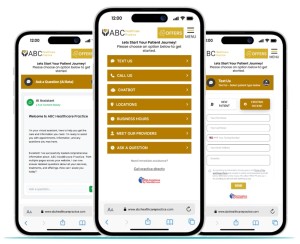
- The Unique Factor: The Intelligent Chatbot and 2-Way Texting App provide immediate, after-hours engagement that is HIPAA compliant.
- The Result (High Conversion): When a patient is researching a service at 11 PM, the AI captures their contact information, pre-screens them, and secures the lead before a competitor can. This converts traffic that would otherwise be lost when the office is closed.
3. Managed Service & Measurable ROI
E. Integrated, Data-Driven SEO Strategy
- The Unique Factor: The PLATINUM service includes proactive, monthly SEO management and content creation (Local, Technical, and Content SEO). PLATINUM service is not a “do-it-yourself” platform.
- The Result (High ROI): Consistent, high-quality, conversion-focused content helps the practice rank higher for valuable, organic (free) search traffic. This lowers the long-term cost of patient acquisition, as you rely less on expensive paid advertising, dramatically boosting ROI.
F. Comprehensive ROI Tracking
- The Unique Factor: PatientGain provides a single dashboard that ties every conversion action (the phone call, the text, the appointment booking) directly to the marketing source that generated it.
- The Result (High ROI): This level of transparency allows both the practice and the PatientGain team to constantly optimize the marketing spend—killing underperforming ads and allocating budget to the most profitable channels. This ensures the practice is always targeting the highest-value patients for the lowest possible cost.
PatientGain.com’s PLATINUM websites outperform traditional medical sites because they combine psychology-based design, medically focused SEO content, HIPAA-secure automation, and continuous optimization — all focused on one outcome: turning web visitors into booked patients efficiently and compliantly.
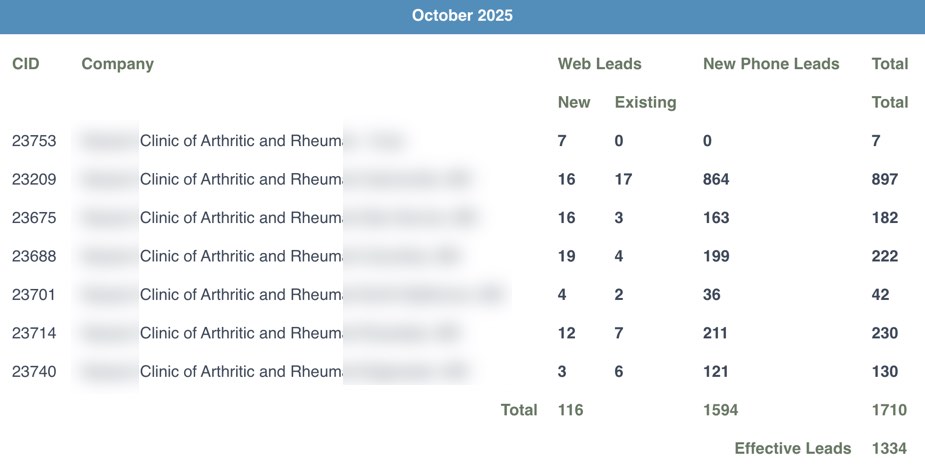
Case Study Example of a Multi-Location Practice Using PLATINUM Service. Case study results, 6 locations example of Arthritis and Rheumatic medical practice.
This practice located in an extremely competitive area on the east coast focuses on Arthritis and Rheumatic Diseases. In 2024, before using Multi-Location service from PatientGain, the customer was using 8 different vendors, apps, and service providers. Marketing dashboard of 6 locations practice. In the month of Jan you can see there are 244 effective leads, majority of these leads are from SEO and Local SEO and using the Multi-Location service from PatientGain.
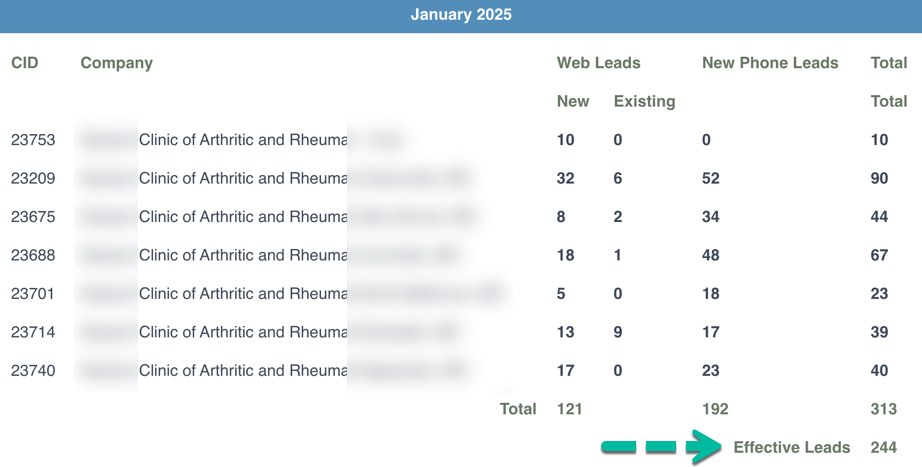
Same Marketing dashboard of 6 locations practice. In the month of Oct you can see there are 1334 effective leads, majority of these leads are from SEO and Local SEO and using the Multi-Location service from PatientGain.
We have hundreds of examples. Please setup a Zoom meeting to see if our services are suitable for your healthcare practice.

 Send Text
 How may I help you?